Wood Plastic Composite (WPC) Compounding and Extrusion Systems
Wood Plastic Composite (WPC) Compounding and Extrusion Systems
USEON Wood Plastic Composite (WPC) Compounding and Extrusion Systems
Durable, Sustainable, and Versatile Wood Plastic Composite (WPC) Solutions
USEON offers complete extrusion line solutions for the production of Wood Plastic Composites (WPC), covering the entire process from raw material preparation to finished profiles and sheets. WPC is a production technology that combines a polymer matrix (PP, PE, PVC) with wood fibers or wood flour using special additives and masterbatches to create high-performance composite products. With these systems, durable, environmentally resistant, and aesthetically pleasing WPC products can be produced efficiently.
What Is WPC and Why Is It Preferred?
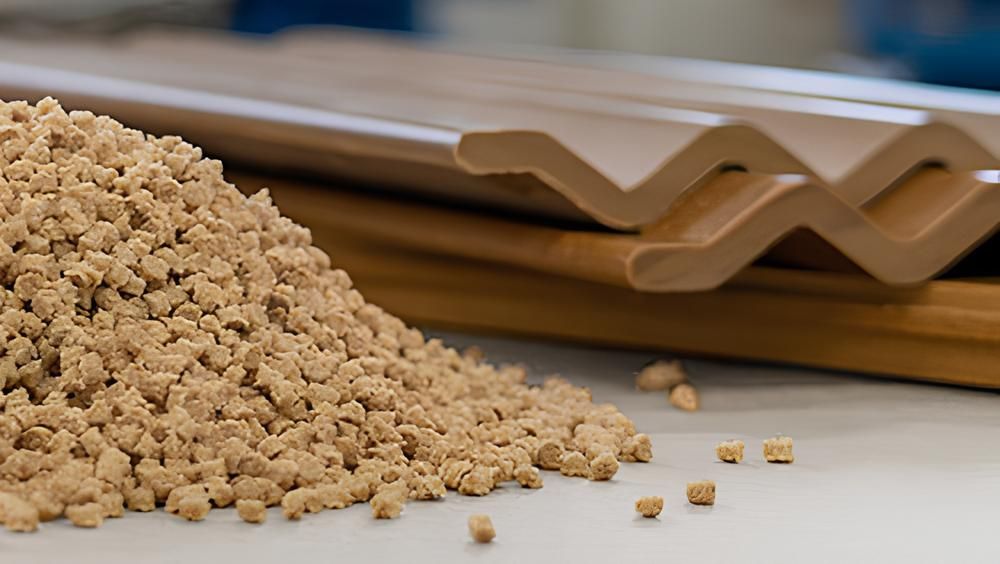
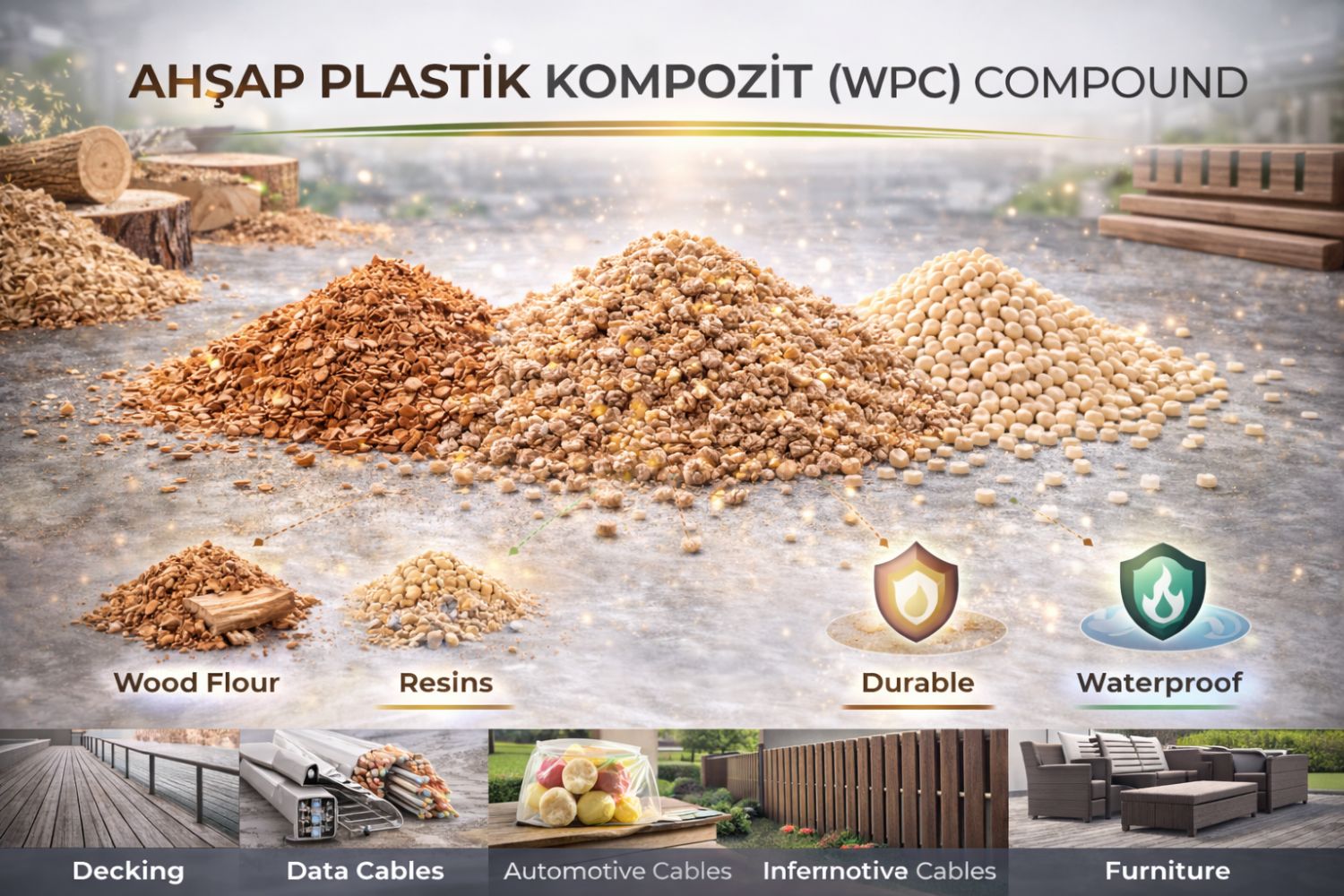
Wood Plastic Composite (WPC) is a composite material formed by combining wood fibers or wood flour with thermoplastics such as PP, PE, or PVC. While maintaining the natural look and feel of wood, WPC materials offer advantages such as resistance to rot and decay, weather resistance, and low maintenance requirements. As a result, WPC is suitable for both indoor and outdoor applications that require long service life and aesthetic appeal.
USEON WPC Compounding and Production Process
USEON’s WPC production lines provide industrial integration covering premixing, compounding, extrusion, and product shaping stages. The typical formulation consists of PP, PE, or PVC combined with wood fiber (up to 65%), color masterbatch, and appropriate additives.
Main Production Stages
• Side feeding and fiber dosing: Wood fiber is fed into the extruder via a side feeder before full polymer melting.
• Additive incorporation and mixing: Masterbatches and additives suitable for wood fiber are added, and USEON’s screw design ensures uniform mixing with minimal fiber breakage.
• Pelletizing / grinding: Pelletizing is not required for PVC-based WPC profiles; the material can be cooled and processed into powder form if needed.
This process is optimized to deliver high dispersion, minimal fiber damage, and strong mechanical properties.
WPC Product Application Areas
Composites produced using USEON WPC systems are widely used in the following products:
• Window and door profiles
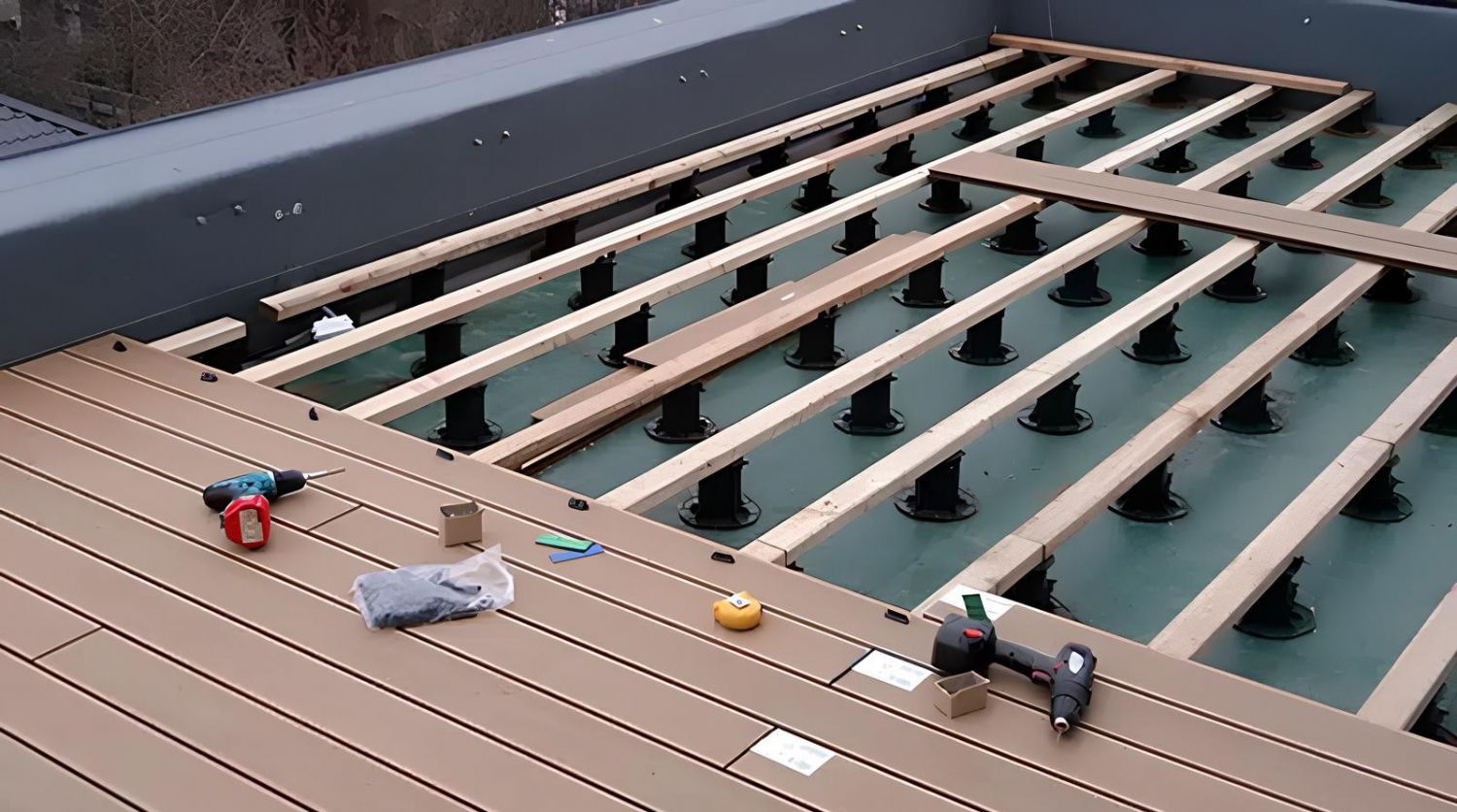
• Outdoor decking and flooring systems
• Interior and exterior construction profiles
• Furniture and decorative boards
• Table, door, and panel boards
• Garden and landscaping elements
Thanks to WPC’s resistance to water, moisture, rot, and UV exposure, these applications provide long-lasting performance.
Advantages of USEON WPC Compounding Systems
• Complete premixing and extrusion line solutions
• Strong bonding between wood fiber and thermoplastic matrix
• Special screw design that minimizes fiber breakage
• High production capacity with stable process control
• Easy maintenance and automation-supported operation
Technology in WPC Production
USEON WPC systems operate with twin-screw extruders, ensuring efficient processing and stable dispersion of wood fiber within the polymer matrix. Especially for thermoplastics with higher melting temperatures such as PP and HDPE, the side-feeding system prevents thermal degradation of wood fibers and enables high mechanical performance.
Sample WPC Projects
USEON has successfully implemented various WPC projects worldwide. For example, a WPC compounding line with a capacity of 700 kg/hour has been installed in Latvia, demonstrating USEON’s capability to deliver industrial-scale, high-capacity WPC production solutions.