USEON PVC Compounding and Pelletizing Systems
Durable, Cost-Effective, and Versatile PVC Compounding Solutions
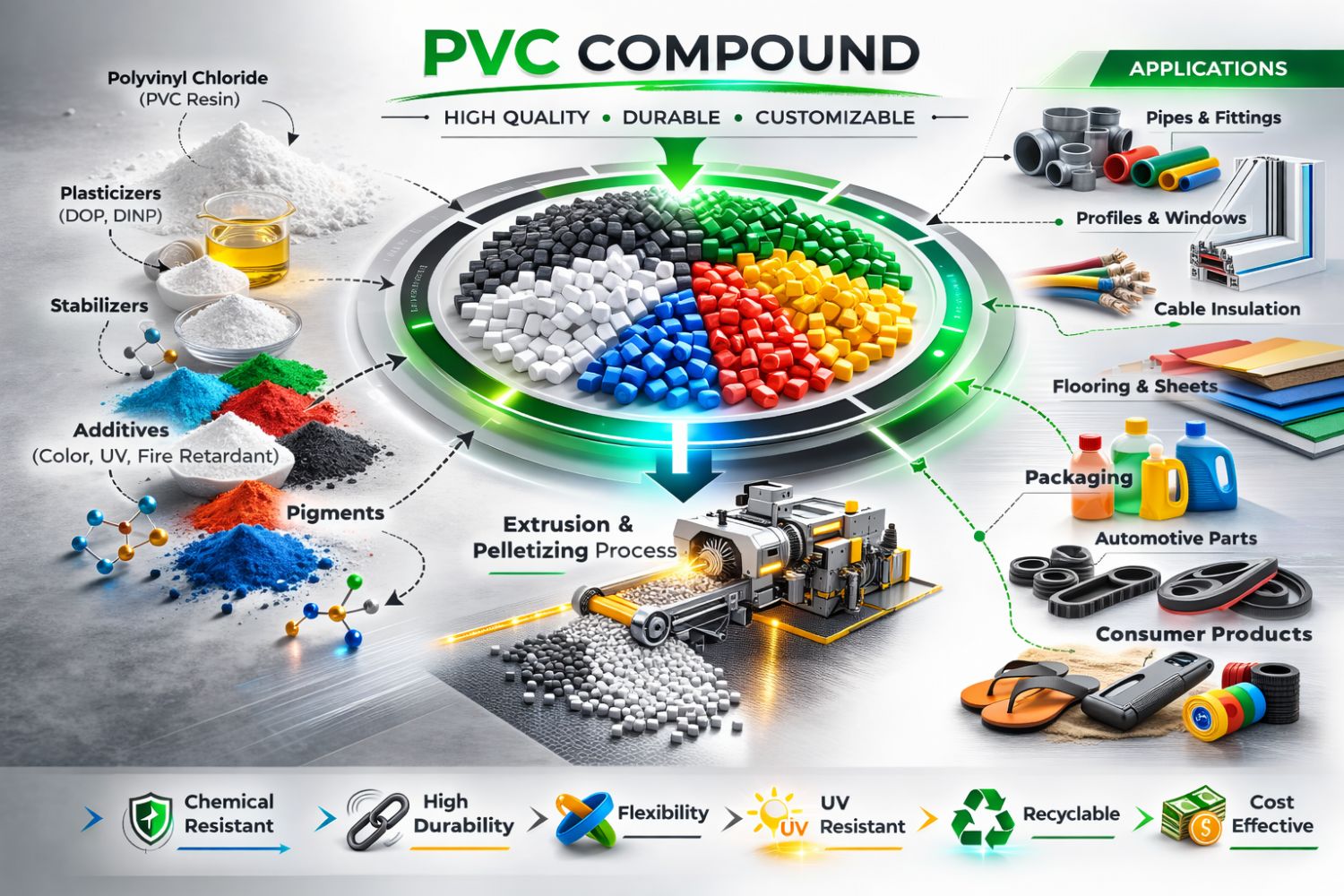
PVC (Polyvinyl Chloride) compounding is the process of combining PVC resin with appropriate additives to achieve material properties that meet the performance requirements of the final product. PVC is one of the most widely used thermoplastic polymers across many industries thanks to its low cost, chemical resistance, and excellent processability. However, before becoming a final product, PVC must be processed in a compounding line with high homogeneity, stable dispersion, and carefully designed formulations to achieve the desired properties.
What Is PVC Compounding?
PVC compounding is the controlled mixing and processing of raw PVC resin with auxiliary components such as heat stabilizers, plasticizers, lubricants, fillers, and functional additive systems. This process tailors the physical, mechanical, and thermal performance of PVC to suit specific end-use applications.
Why USEON PVC Compounding Systems?
USEON PVC compounding systems are specifically designed to address the thermal sensitivity and processing requirements of PVC. They feature tandem extruder and pelletizing technologies that optimize the PVC compounding process through high dispersion efficiency, high production capacity, and advanced automation control.
Advantages of USEON PVC Compounding Solutions
• Tandem extruder design that minimizes thermal degradation of PVC
• High-quality pellet production with water-ring and alternative pelletizing systems
• Suitable line solutions for rigid, flexible, and specialty PVC formulations
• High production capacity with stable process control
• Industrial-scale PVC compound production line design
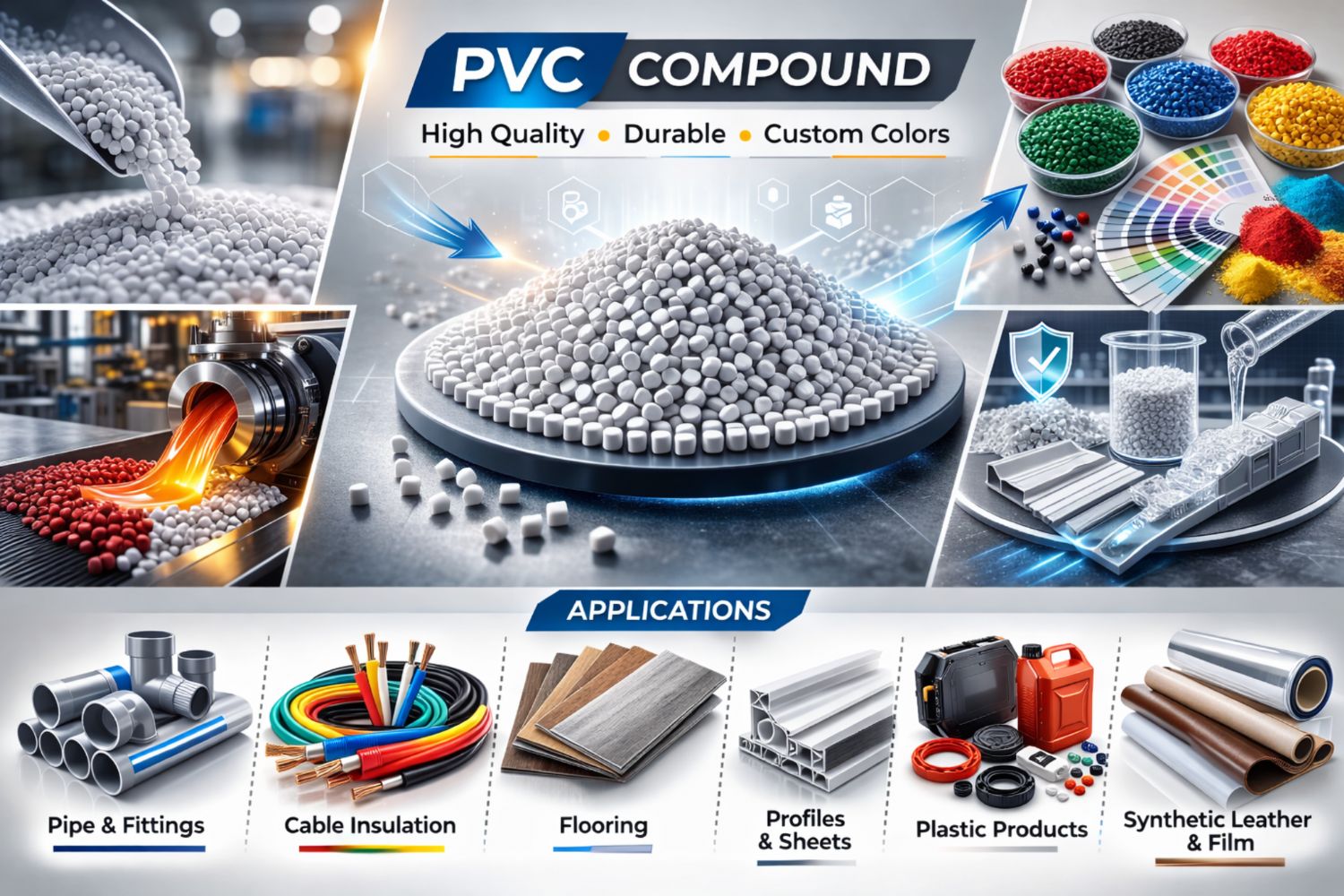
PVC Compounding Application Areas
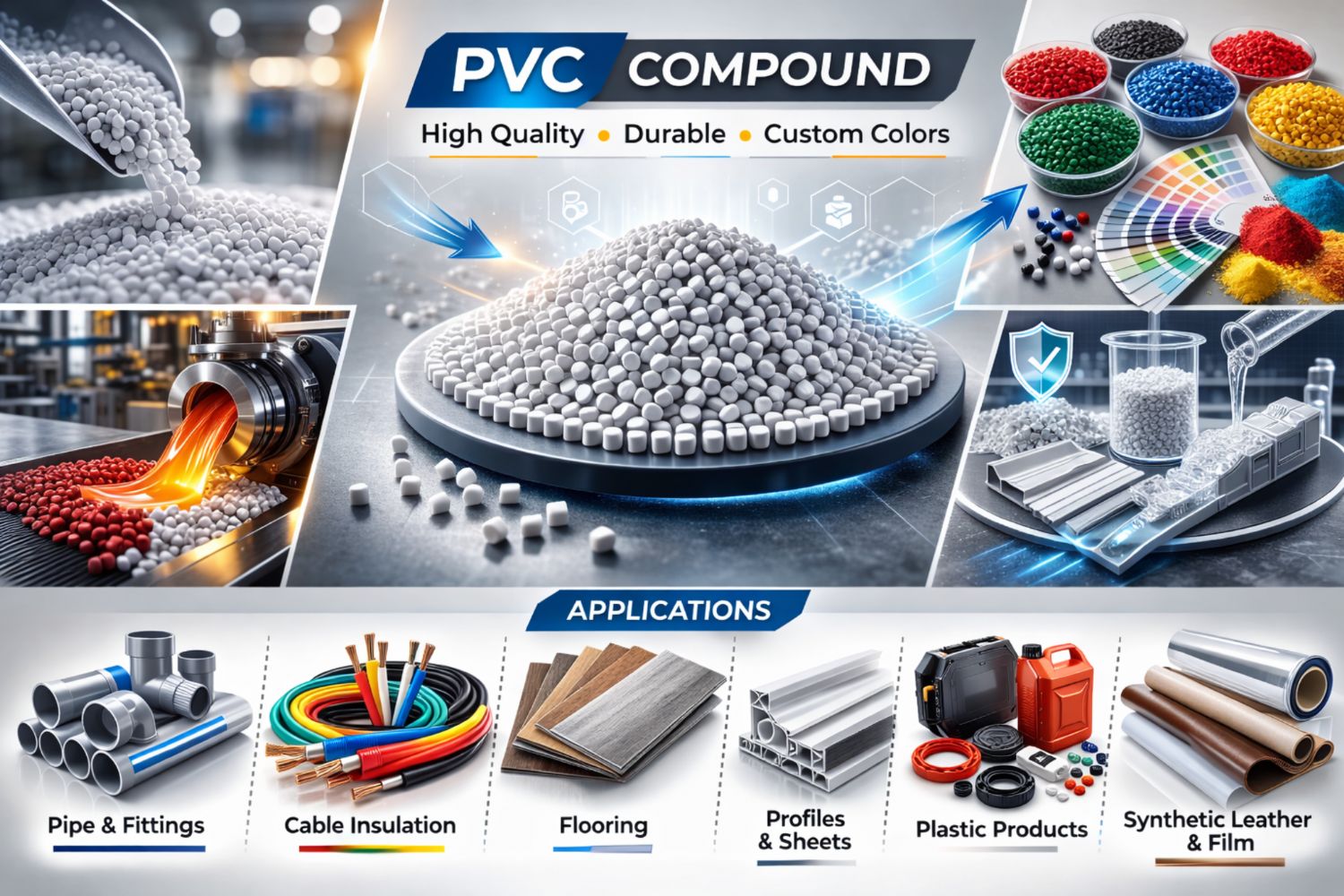
PVC compounds produced using USEON PVC compounding systems can be safely used in the following product groups:
• PVC pipes, profiles, and fittings
• Electrical cable insulation and sheathing
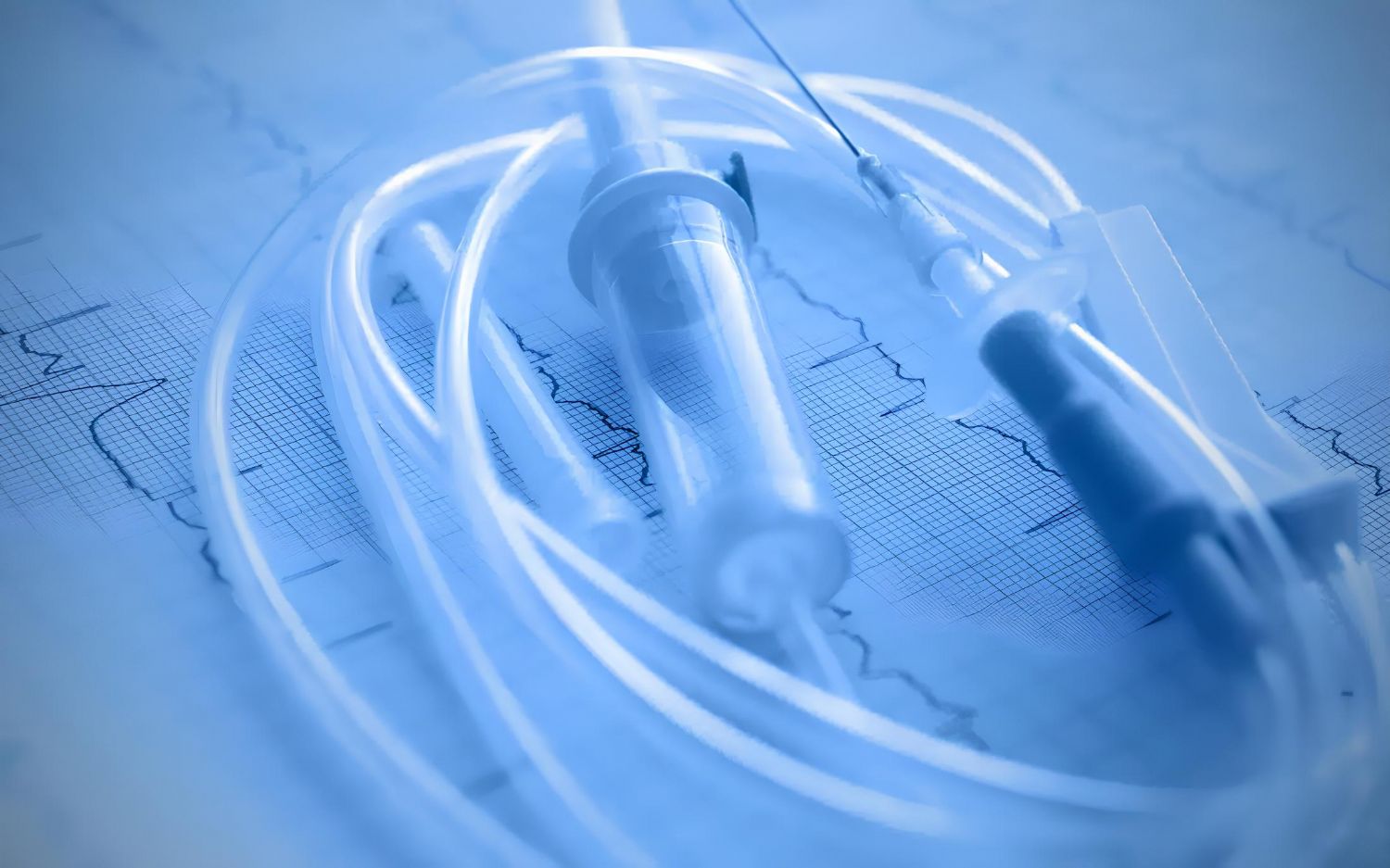
• Medical-grade transparent PVC products
• PVC window profiles and construction products
• Recycled PVC profiles and specialty composites
• Industrial and consumer PVC products
PVC Compound Formulation Examples
Rigid PVC
Rigid PVC compounding is used for applications requiring high mechanical strength and dimensional stability.
Typical formulation:
PVC + 5-15% CaCO₃ + heat stabilizer + impact modifier + lubricant + color pigments
PVC Cable Compounds
Flexible PVC compounds are widely used for insulation and sheathing in electrical and telecommunication cables.
Typical formulation:
PVC 60% + DOP 20% + calcined clay 10-20% + CaCO₃ 0-10% + heat stabilizer + additives
Medical-Grade Transparent PVC
PVC compounds requiring high clarity and quality for medical applications can be produced using USEON systems.
PVC Recycling Compounds
Recycling and recompounding of window profile scrap can be carried out using dedicated production lines.
Typical recycling formulation:
PVC scrap 40% + virgin PVC powder 10% + wood fiber 20% + CaCO₃ 20% + additives
Technology and Production Processes
USEON PVC compounding systems typically operate with a two-stage extrusion line:
A twin-screw extruder is used for primary mixing and high dispersion.
A single-screw extruder cools the melt and prepares it for pelletizing.
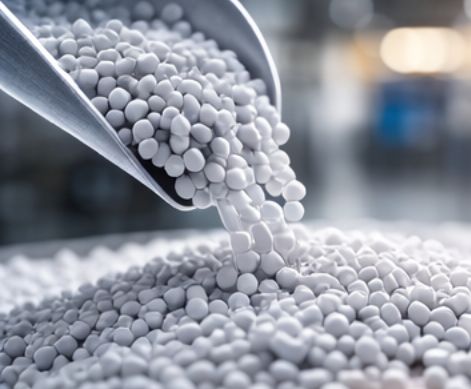
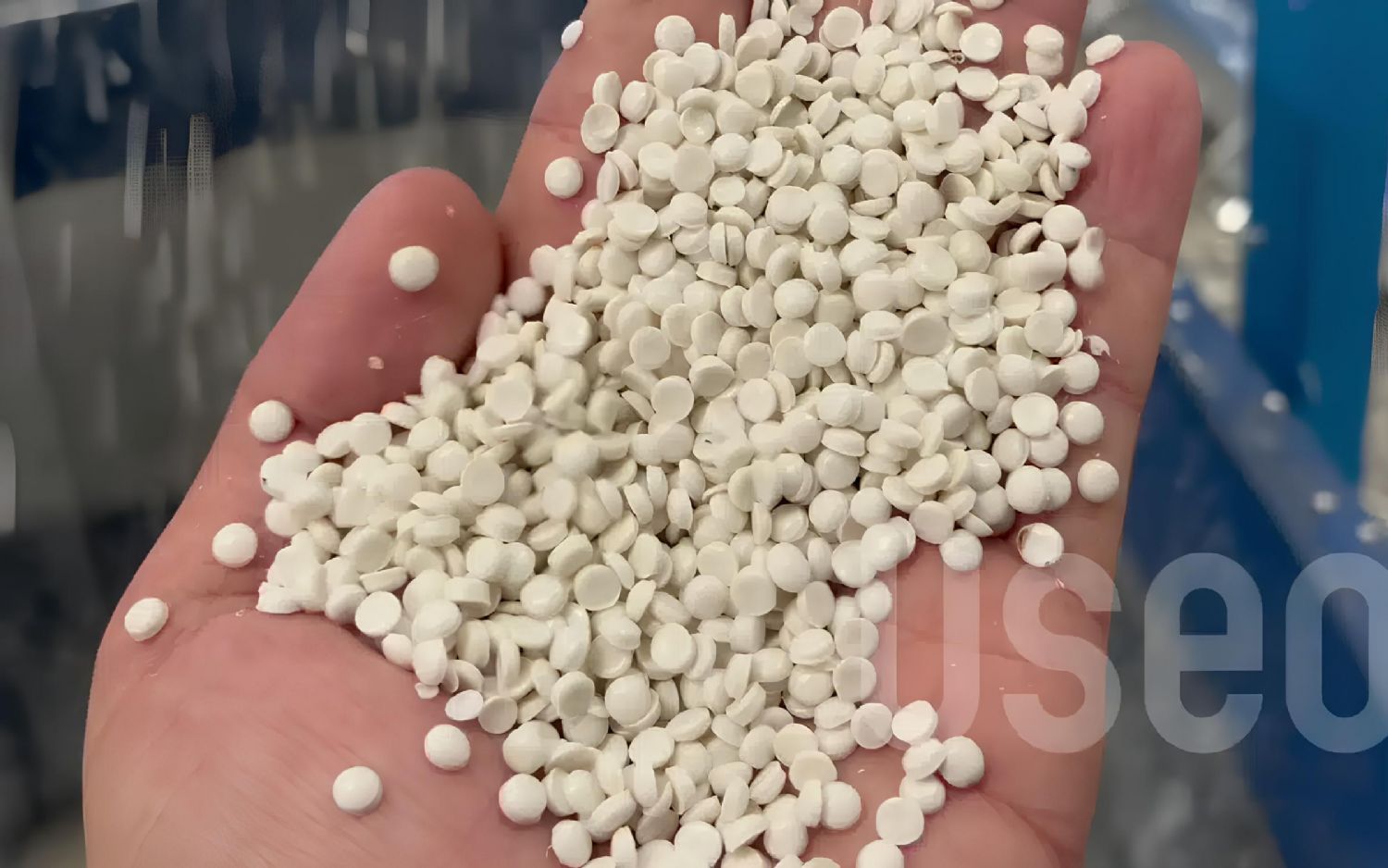
Homogeneous PVC pellets are produced using water-ring pelletizers or other pelletizing systems.
PVC Line Technical Specifications
PVC extruders are available in various diameters and L/D ratios, providing production capacities ranging from approximately 250 to 2,500+ kg/hour.
PVC Compounding Project References
USEON has successfully delivered numerous PVC compounding projects worldwide, including:
• 500 kg/hour PVC compounding line (China)
• 400-600 kg/hour two-stage tandem PVC extrusion line
• 2,000 kg/hour soft PVC medical application line
Advantages of PVC Compounding
• Production of high-quality PVC compounds in compliance with industrial standards
• Homogeneous additive distribution and dispersion
• Increased production efficiency
• Reduced scrap rates