Product Descriptions
GNEUSS OMNI Series Plastic Recycling Systems
The GNEUSS OMNI series plastic recycling systems are advanced recycling lines designed to efficiently process industrial and post-consumer plastic waste. These systems combine cutting-edge process technologies such as extrusion technology, melt filtration, vacuum degassing systems, and online viscosity measurement to convert plastic waste into high-quality raw materials.
OMNI series systems are developed to provide efficient, energy-saving, and high-purity pellet production in modern recycling plants.
The OMNI recycling technology stands out due to its flexibility in processing different types of polymers. A wide range of materials such as PET, PP, PE, PS, PLA, and PA can be processed on the same system platform.
The system is designed to recycle:
plastic film waste
fiber waste
thermoform plastic waste
injection molded plastic parts
post-consumer packaging waste
The OMNI product family consists of three main system configurations:
OMNI
OMNImax
OMNIboost
Each system is optimized for different recycling applications and performance requirements.
Core Technologies of the OMNI Series Recycling Systems
OMNI plastic recycling lines achieve high performance through the integration of several innovative technologies developed by Gneuss. The key technologies include:
3C Rotary Feeder feeding system
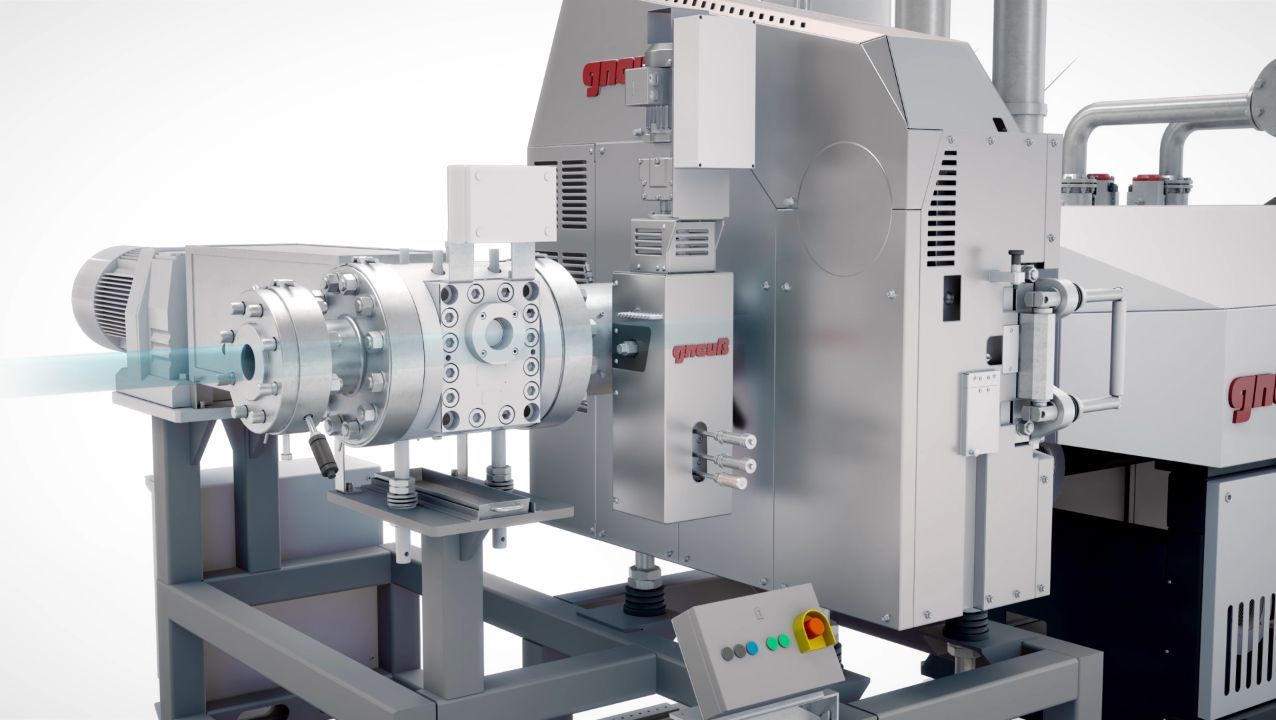
MRS or MDS extrusion technology
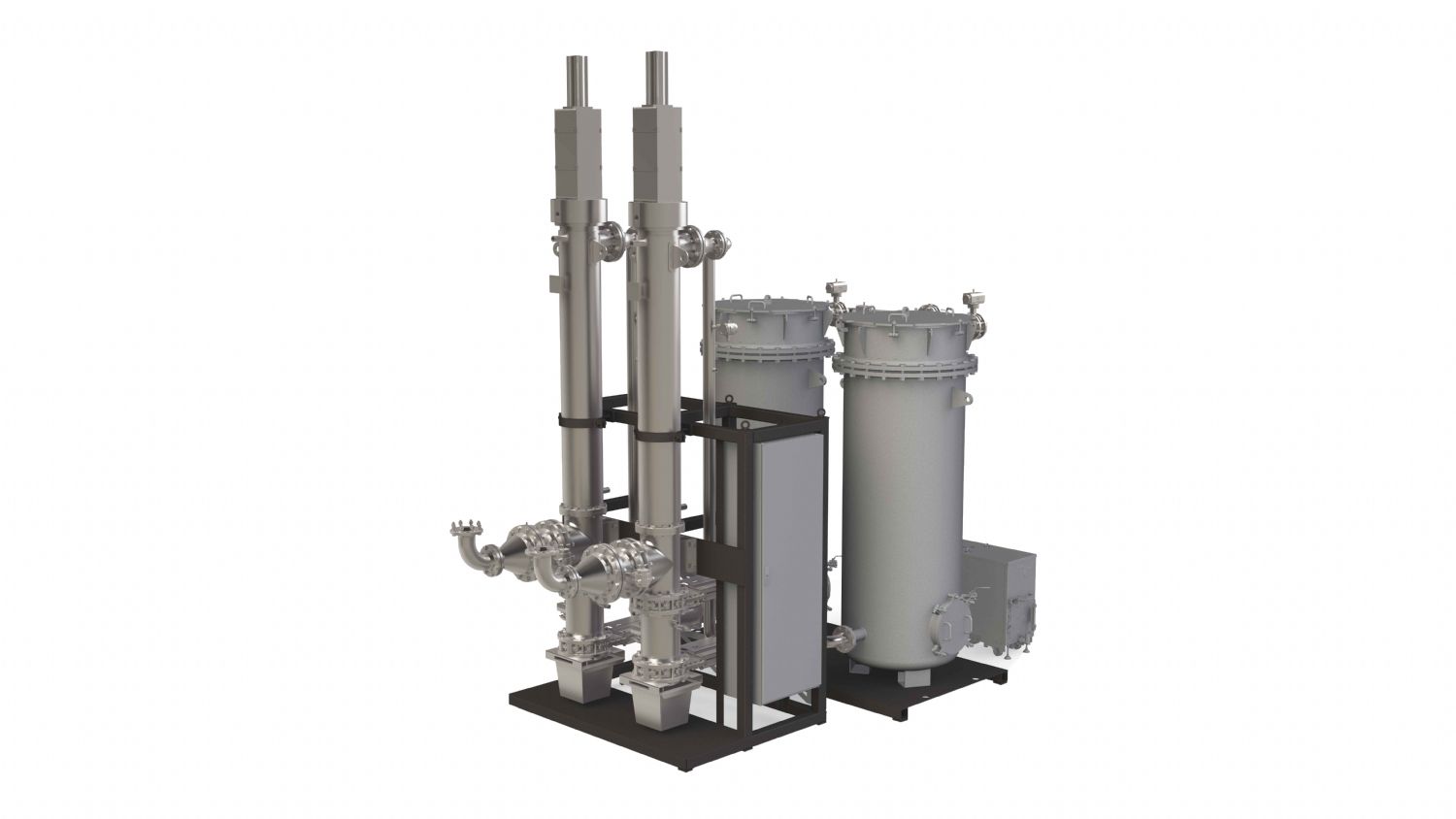
RSFgenius automatic melt filtration system
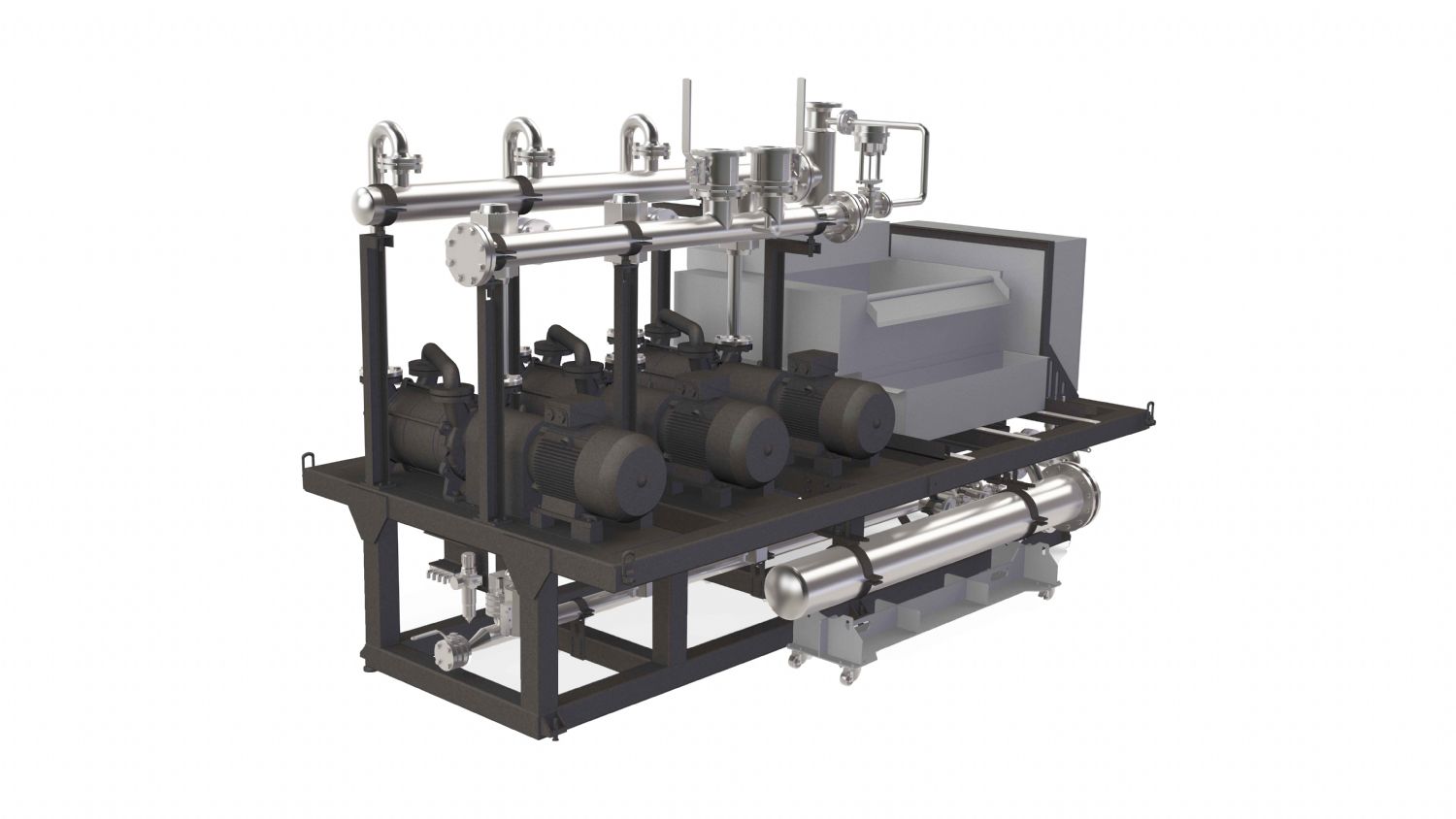
advanced vacuum degassing system
VIS online viscosity measurement technology
Through the integration of these technologies, plastic waste can be processed in a single extrusion step, where it is cleaned, degassed, filtered, and homogenized before being converted into high-quality pellets.
3C Rotary Feeder Feeding Technology
One of the key components of the OMNI system is the 3C Rotary Feeder, which ensures efficient feeding of low-density or bulky plastic waste into the extrusion system.
This technology is particularly beneficial for processing plastic films, fibers, and lightweight plastic waste.
The system operates as follows:
After shredding or grinding, the material is conveyed into the feeder.
Rotating knives on the disk cut and densify the material.
At the same time, the material begins pre-heating and degassing.
The prepared material is automatically transferred into the extruder.
Thanks to this preprocessing step, plastic waste with low bulk density can be fed into the extrusion process without additional densification equipment.
MRS Multi-Screw Extruder Technology
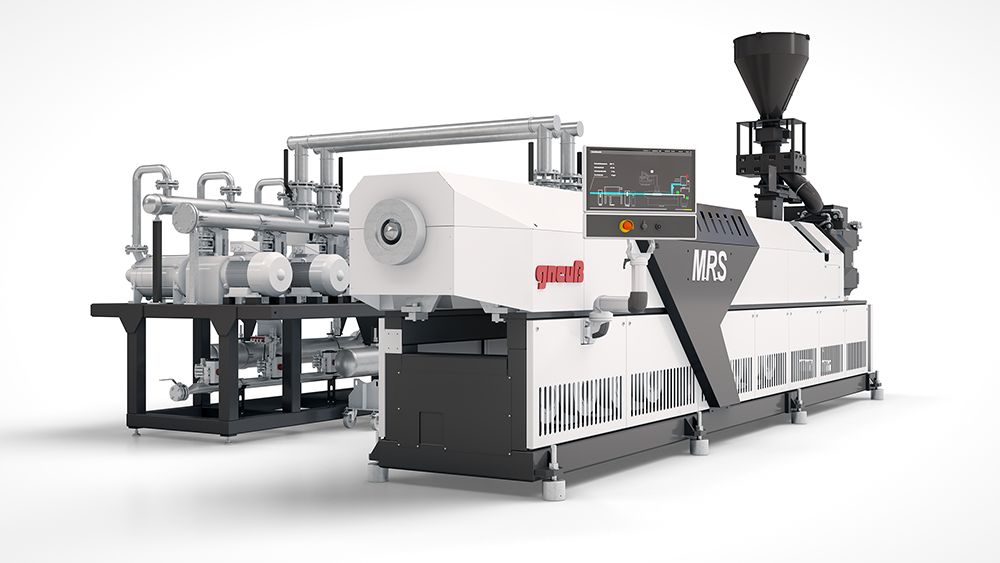
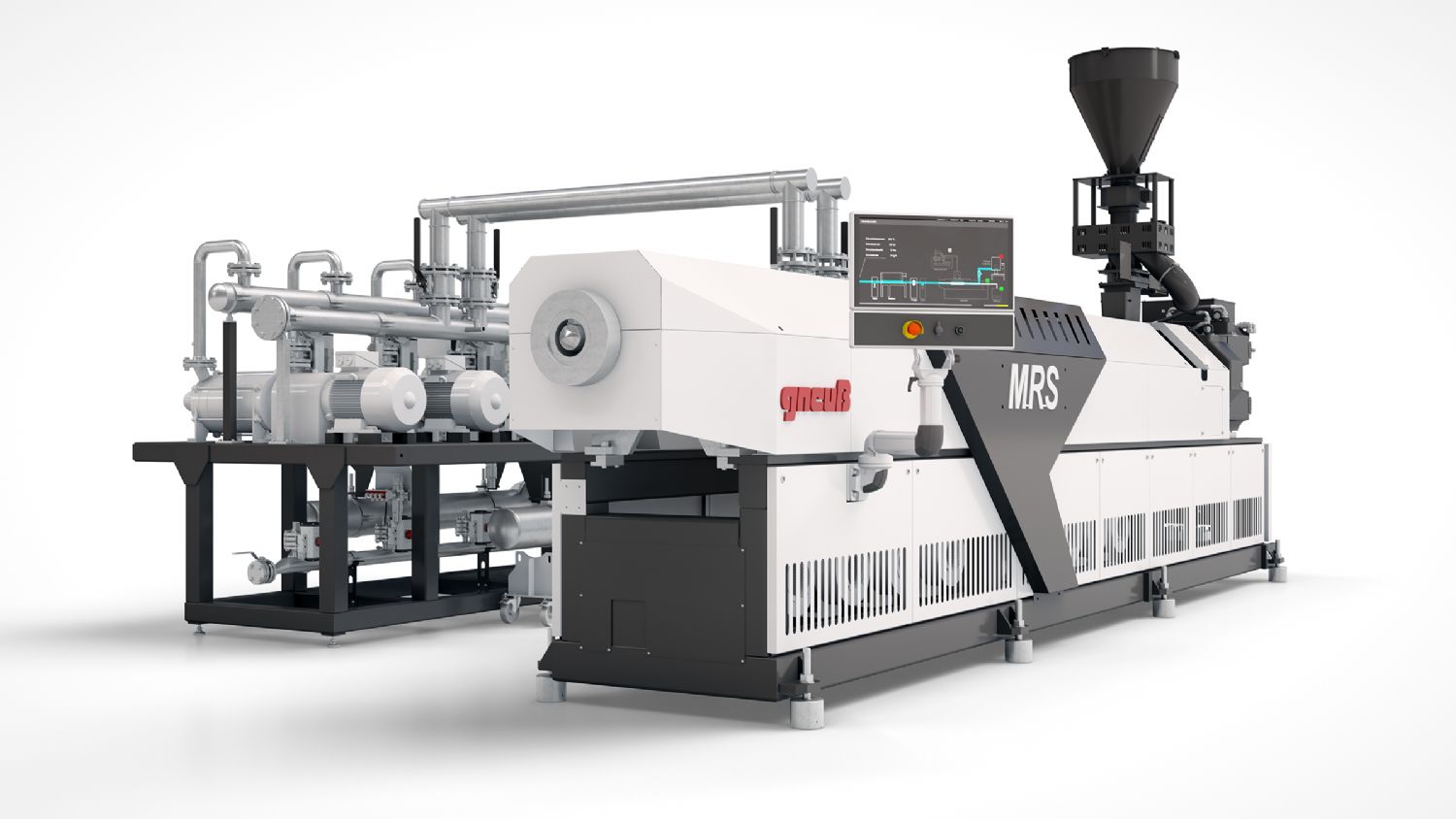
At the core of the OMNI series lies the MRS (Multi Rotation System) extruder technology.
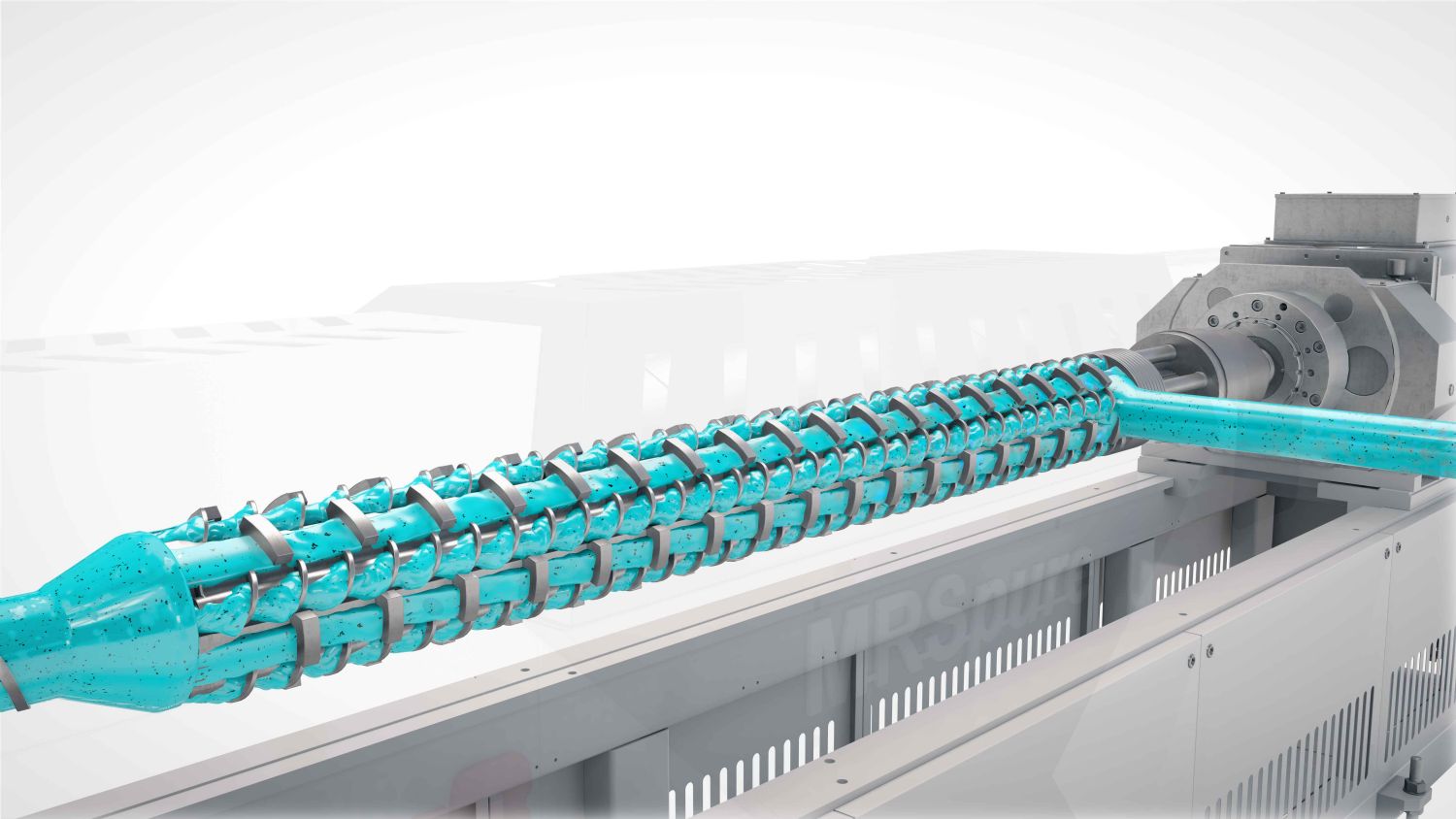
This extrusion system combines a conventional single-screw extruder with a multi-screw degassing section.
Key features of the MRS extruder include:
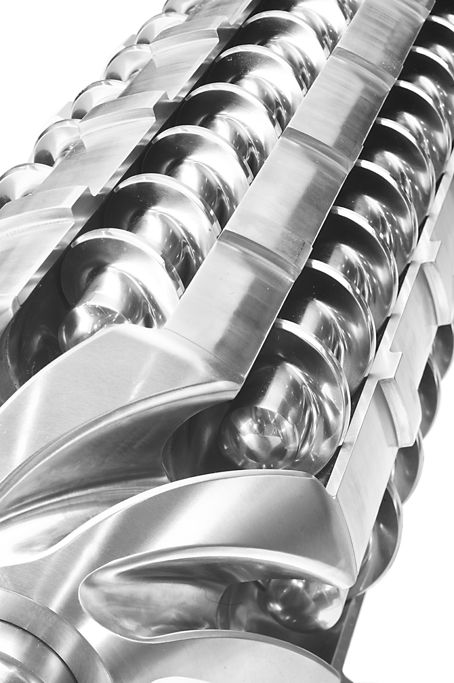
multiple satellite screws operating alongside the main screw
a very large melt surface area
high-efficiency degassing under vacuum
low thermal stress on the polymer
Through this design, the polymer melt is exposed to a very large surface area under vacuum conditions. As a result, volatile contaminants, moisture, and gases can be effectively removed.
Typical processing capacities for MRS extruders include:
PET: 250 - 2200 kg/hour
PP + PE: 180 - 1400 kg/hour
PA: 250 - 2000 kg/hour
PS: 200 - 1600 kg/hour
These capacity ranges demonstrate that the OMNI series is suitable for high-capacity industrial recycling lines.
RSFgenius Automatic Melt Filtration System
The RSFgenius Rotary Filtration System used in OMNI recycling lines ensures extremely high melt purity.
Key features of the filtration system include:
automatic backflush technology
self-cleaning filtration system
high-efficiency melt filtration
continuous production without process interruption
The filter elements used in RSFgenius systems can be reused up to 400 times and filtration precision can reach below 10 microns.
This ensures that recycled plastic pellets achieve very high quality standards.
Vacuum Degassing Technology
Advanced vacuum technology used in OMNI systems removes volatile components and contaminants from the polymer melt.
The vacuum system typically includes:
water ring vacuum pumps
deep vacuum technology
patented separation systems
Through this vacuum degassing process, the following contaminants can be efficiently removed:
moisture
volatile organic compounds
odor-forming substances
This technology is particularly critical for post-consumer plastic recycling applications.
Online Viscosity Measurement System (VIS)
OMNI recycling lines can be equipped with the VIS Online Viscometer for process quality monitoring.
The system operates according to the following principle:
a small melt flow is diverted from the main extrusion line
the material is transferred to the measurement system via a high-precision gear pump
viscosity is measured in a capillary measurement cell
This measurement allows real-time monitoring of polymer chain length and material properties.
The recorded data ensures continuous monitoring of product quality throughout the recycling process.
Advantages of OMNI Series Recycling Systems
OMNI plastic recycling systems provide several industrial advantages:
compact plant design
low energy consumption
short process cycle times
high production capacities
wide material compatibility
high-purity pellet production
The systems can also achieve recycling quality suitable for food contact applications and comply with several international regulatory standards.
Application Areas of OMNI Recycling Systems
OMNI series recycling machines are suitable for a wide range of applications.
Typical applications include:
PET bottle recycling
thermoform plastic recycling
plastic film recycling
fiber and filament recycling
textile recycling
injection molded plastic recycling
HDPE cap recycling
PP and PS packaging recycling
The systems are also suitable for closed-loop recycling applications.
High-Efficiency Plastic Recycling with the OMNI Series
OMNI plastic recycling systems offer a powerful solution for sustainable production in modern recycling facilities.
By combining advanced extrusion technology, automatic filtration systems, and high-efficiency degassing technologies, plastic waste can be transformed into high-quality recycled raw materials.
These systems are particularly suitable for:
food packaging recycling
textile recycling
high-purity rPET production
industrial plastic recycling