Product Descriptions
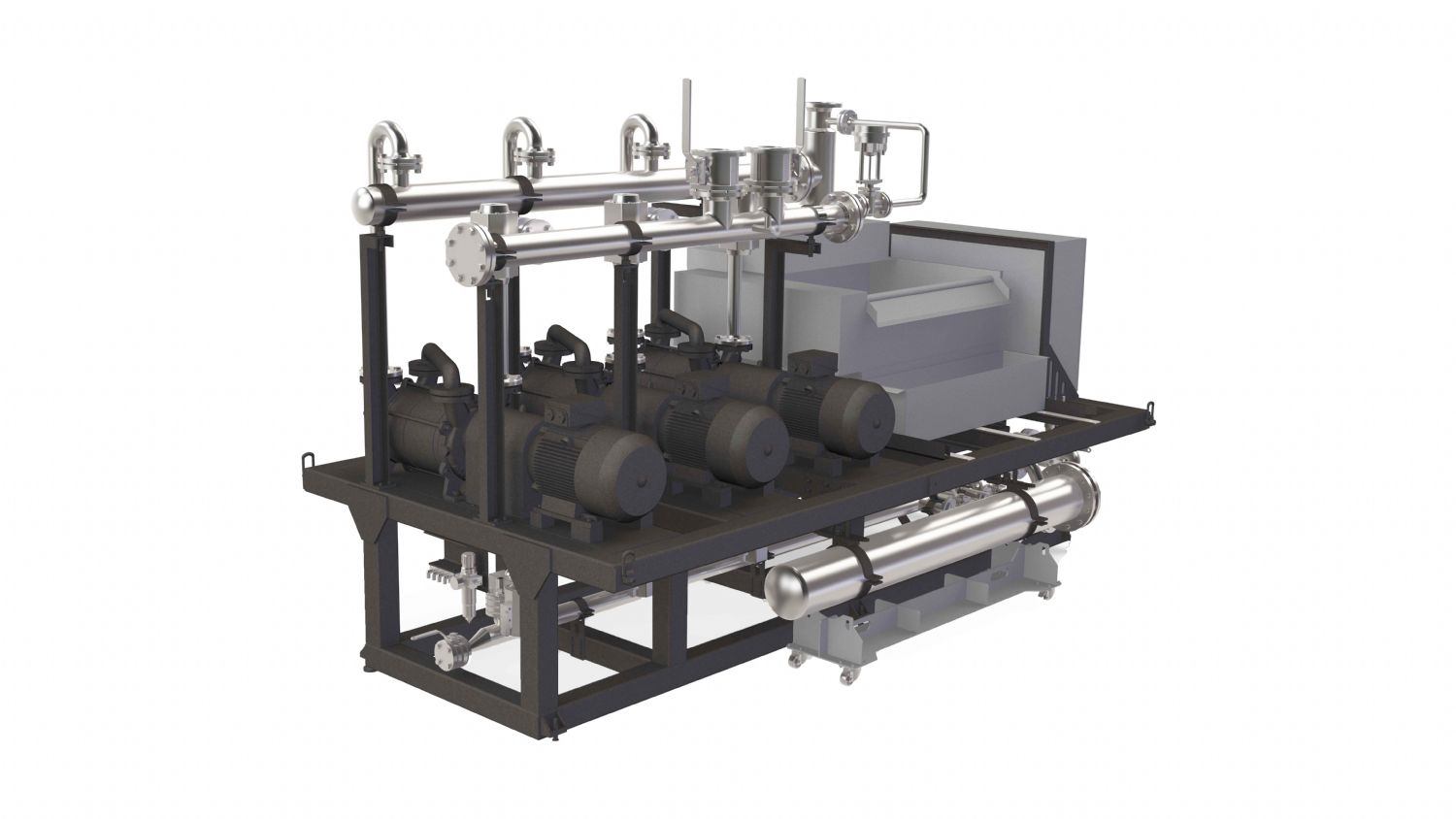
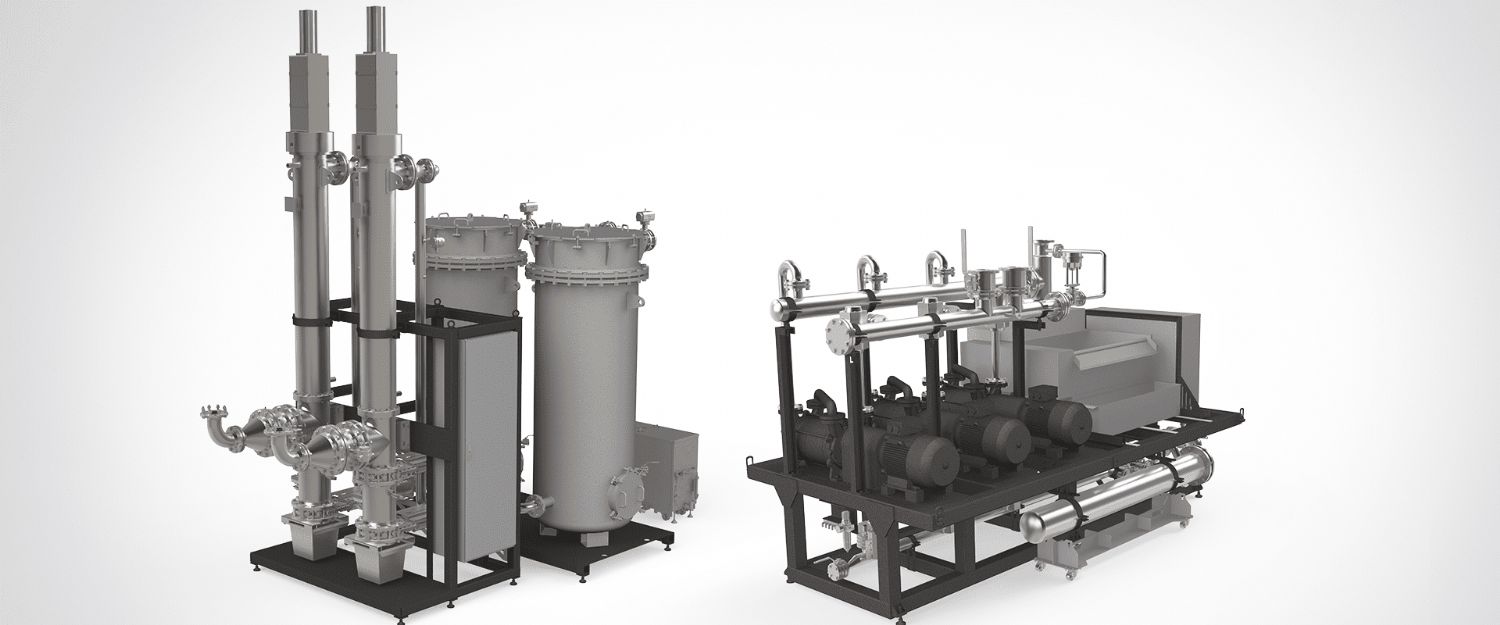
GNEUSS Vacuum Technology
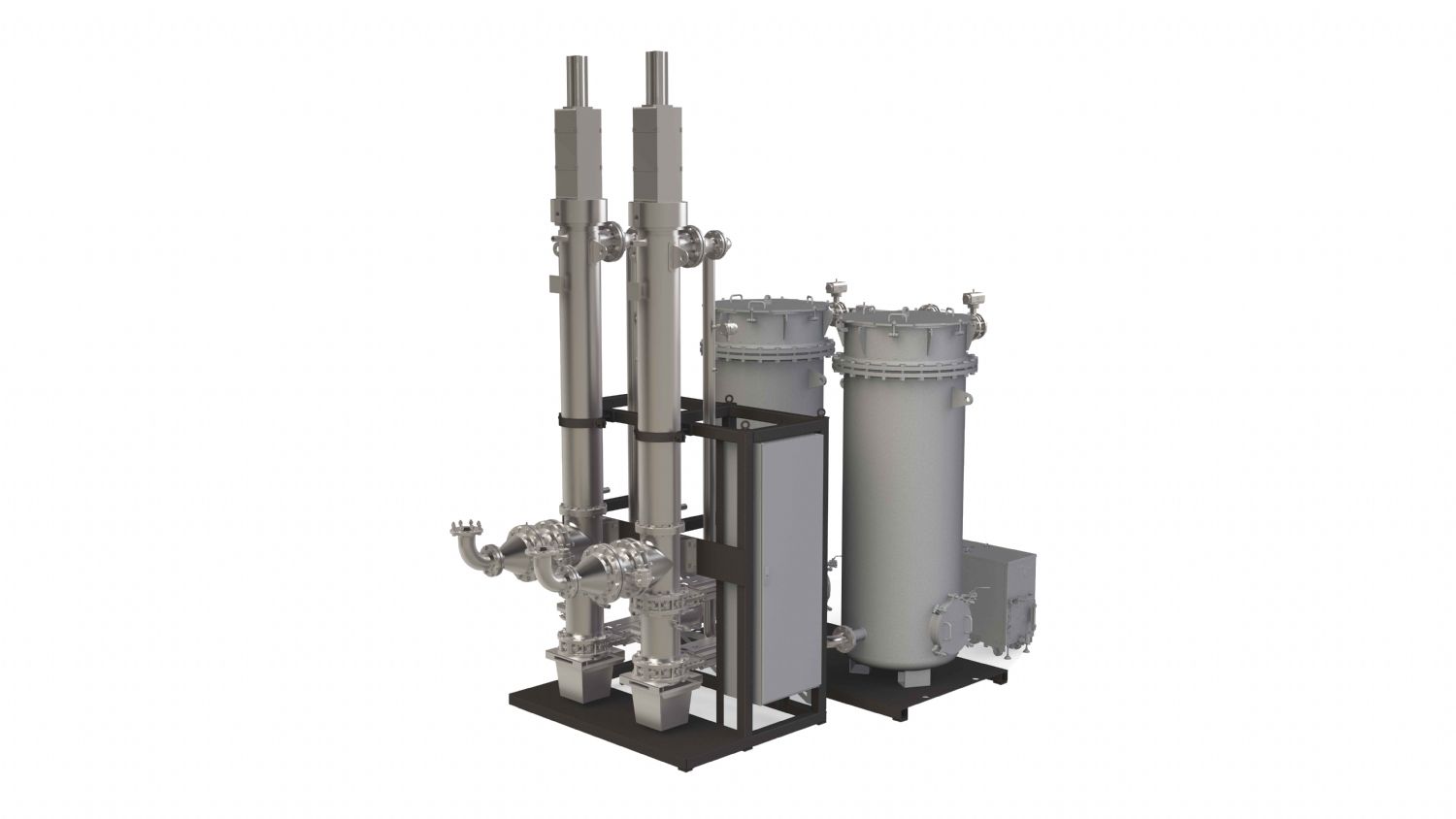
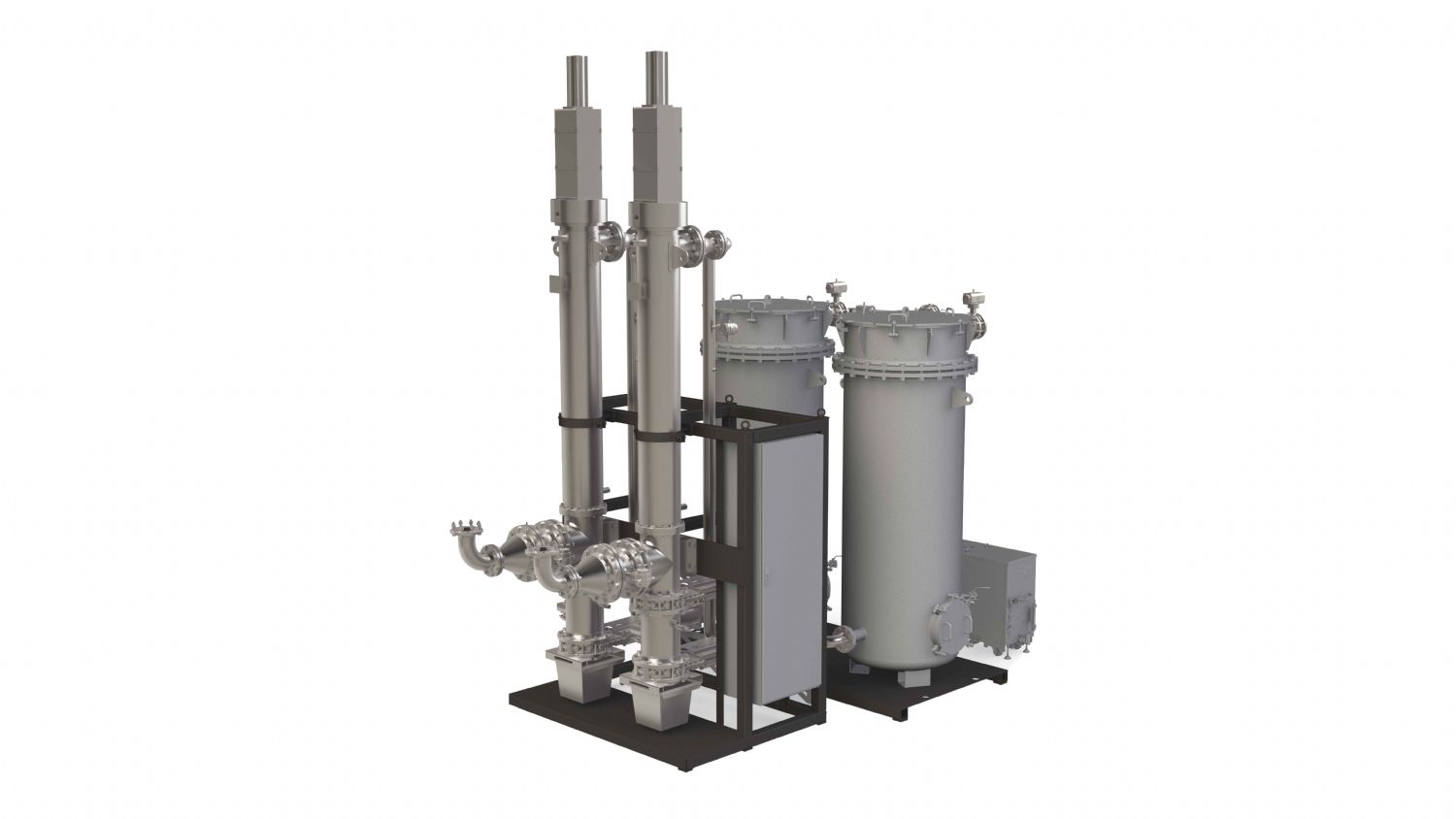
GNEUSS Vacuum Technology is an advanced degassing system developed to remove volatile substances from polymer melts in plastic extrusion and recycling processes. This system effectively removes moisture, solvent residues, monomers, and other volatile components present in the polymer melt, helping the production process operate more stably and enabling the production of high-quality final products.
Degassing is a critical step in plastic extrusion processes. If volatile substances contained in the polymer melt are not removed, product quality may decrease, mechanical properties may weaken, and surface defects may occur. GNEUSS vacuum technology eliminates these problems by using optimized high-efficiency vacuum systems.
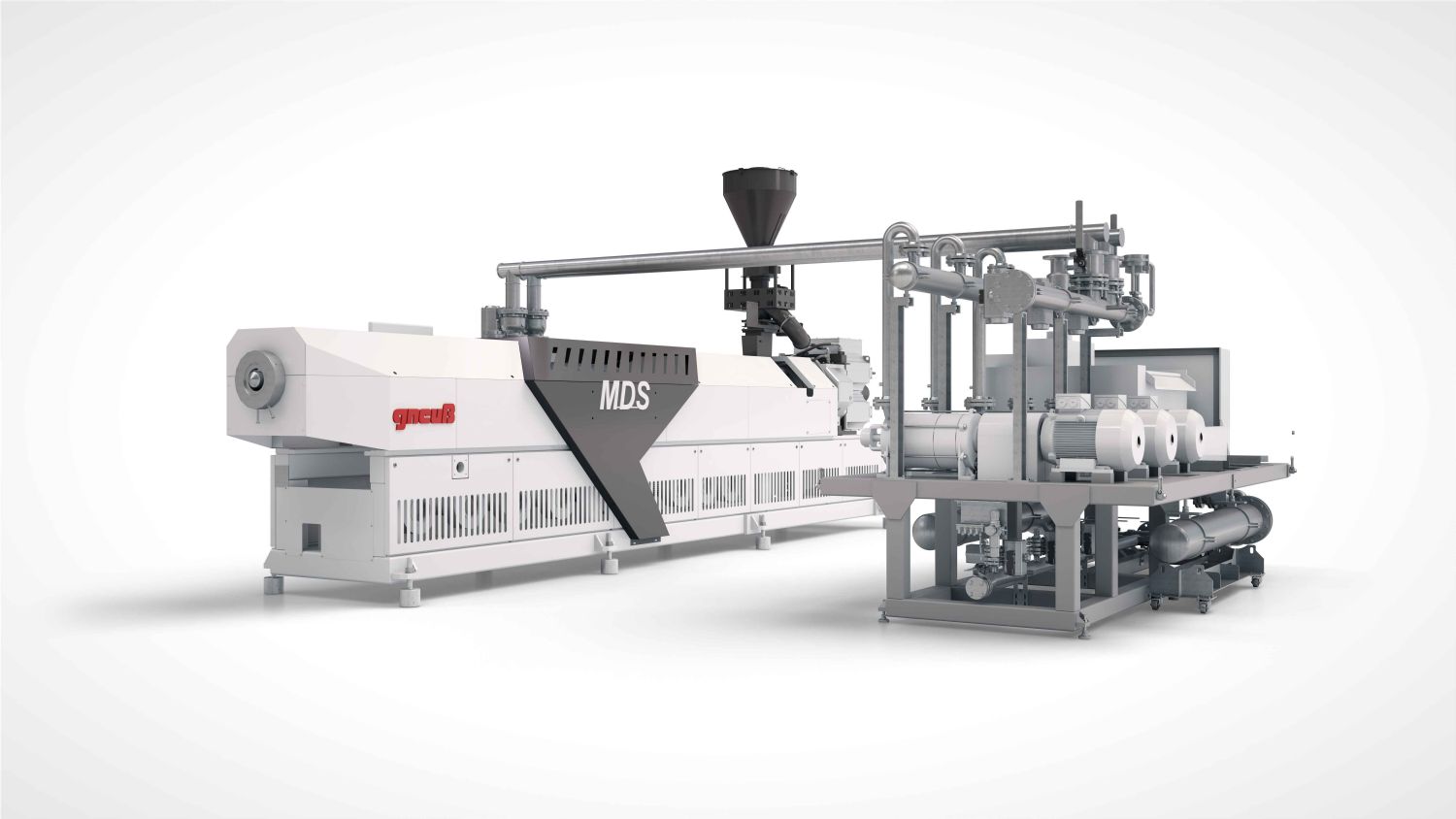
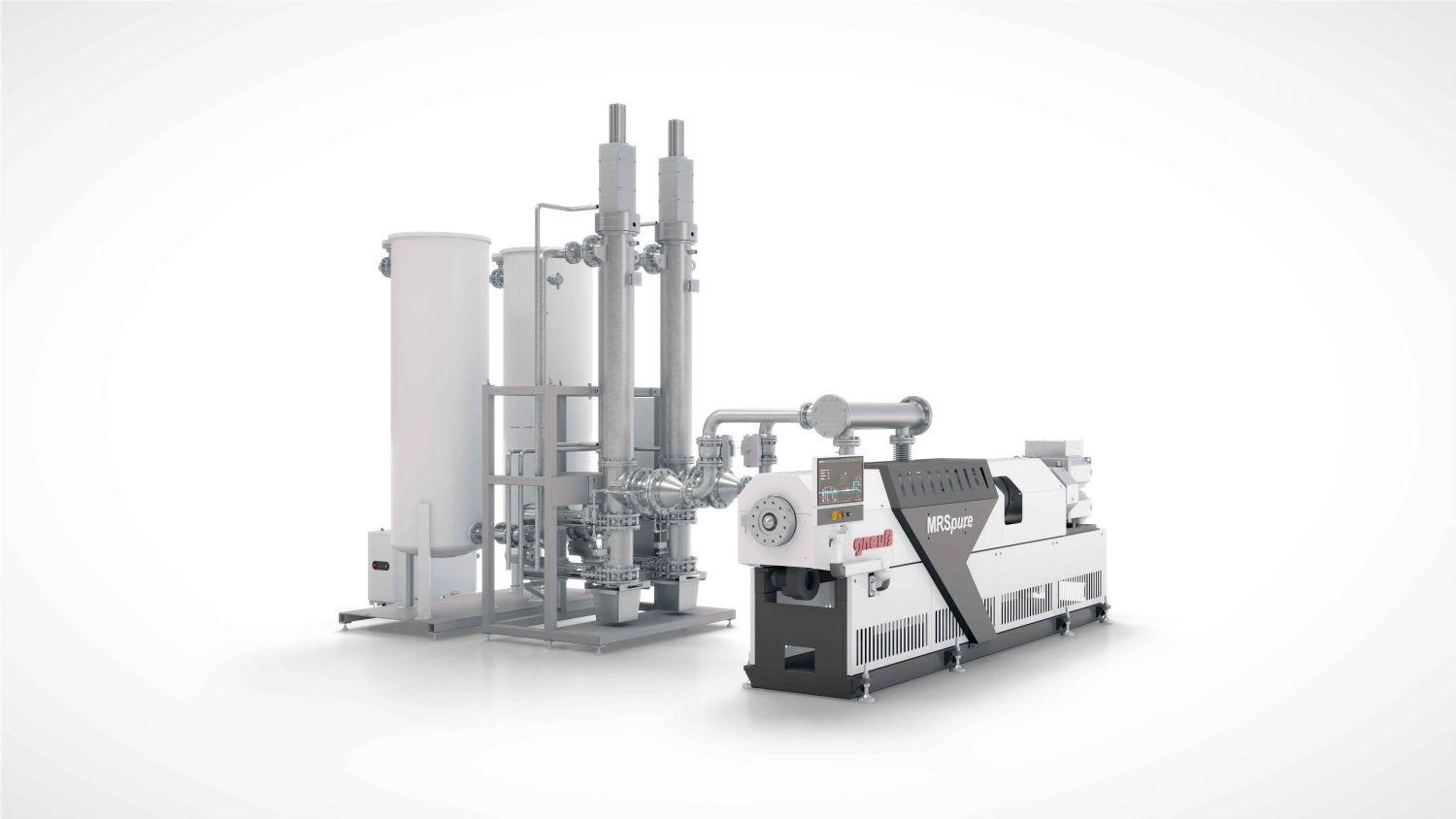
These vacuum systems operate in integration with GNEUSS extrusion technologies used in modern plastic recycling plants and provide a high-performance degassing solution, particularly when combined with MRS, MDS, and MRSpure extruder technologies.
Degassing in Plastic Extrusion Processes
During plastic processing, various gases can form within the polymer melt. These gases typically originate from the following sources:
moisture contained in the polymer
solvent residues
residual monomers
volatile components of additives
contaminants present in recycled raw materials
Especially in plastic recycling processes, the amount of volatile substances can be quite high. Therefore, the use of an efficient vacuum system in the extrusion process is extremely important.
GNEUSS vacuum systems remove these volatile components with high efficiency, enabling the polymer melt to be processed in a more stable manner.
Operating Principle of GNEUSS Vacuum Technology
GNEUSS Vacuum Technology is based on the principle of processing polymer melt under vacuum conditions during extrusion. During this process, the polymer melt is exposed to a vacuum environment over a large surface area, allowing volatile substances to evaporate rapidly and be removed from the system.
The degassing process takes place as follows:
The polymer melt reaches the degassing section of the extruder.
Vacuum is applied in this section.
Volatile components evaporate and are drawn into the vacuum line.
The vapor and gas mixture is transferred to the vacuum system.
The vapor is condensed and removed from the system.
A significant portion of the gases removed during degassing consists of water vapor. In some processes, this amount can reach approximately 1% of the total production capacity.
For example, in an extrusion line with a capacity of 1000 kg/h, approximately 10 liters of water vapor per hour may need to be removed. Under standard conditions, this corresponds to approximately 10 m³/h of water vapor.
Cold Trap (Sublimator) Technology
One of the most important components of GNEUSS vacuum systems is cold trap (sublimator) technology.
If water vapor and other volatile compounds extracted during degassing are sent directly to the vacuum pumps, the system efficiency may decrease. For this reason, GNEUSS systems use special cooling units in the vacuum line.
In this system:
a cooling medium with very low temperature is used
water vapor is converted directly from vapor phase to solid phase (ice)
this process is known as resublimation
Thanks to this method, the gas volume reaching the vacuum system is significantly reduced.
Advantages of cold trap technology include:
smaller vacuum pumps can be used
reduced energy consumption
improved system reliability
reduced maintenance requirements
Vacuum System Components
GNEUSS vacuum technology is an integrated system consisting of multiple components.
Main system components include:
vacuum degassing unit
cold trap / sublimator system
safety filter
vacuum pumps
condensate collection system
control and automation system
Due to high flow velocities in the vacuum line, polymer droplets or filaments may form. Therefore, safety filters are installed before the vacuum pumps.
These filters protect the vacuum pumps from potential damage.
Vacuum Capacity and Performance Values
GNEUSS vacuum systems can be designed with different capacities depending on the requirements of the extrusion process.
Typical process parameters include:
Vacuum level: 1 - 50 mbar
Vapor removal capacity: 10 m³/h and higher
Water vapor removal rate: up to 1% of process throughput
Lower vacuum pressure improves degassing performance. However, very low pressure levels require larger pump capacities.
Thanks to GNEUSS cold trap technology, pump capacity can be optimized while maintaining high system efficiency.
Advantages of GNEUSS Vacuum Systems
GNEUSS Vacuum Technology provides numerous advantages in plastic processing and recycling processes.
Key advantages include:
high degassing efficiency
low energy consumption
reliable process control
compact system design
protection of vacuum pumps
improved process stability
These advantages are particularly important in plastic recycling lines.
Integration with Extrusion Systems
GNEUSS vacuum technology can be integrated with various extrusion systems.
Typical applications include:
MRS extruder systems
MDS extruder systems
MRSpure extruder systems
plastic recycling lines
polymer compounding lines
When used together with these systems, the removal of volatile substances from the polymer melt becomes significantly more efficient.
Vacuum Degassing in Plastic Recycling
In plastic recycling processes, raw material quality often varies. Recycled plastics may contain contaminants such as:
moisture
solvent residues
oils and additives
organic contaminants
odor-forming substances
GNEUSS vacuum technology removes these components, enabling recycled polymers to be reused in high-quality applications.
Application Areas of Vacuum Technology
GNEUSS vacuum systems are widely used in the plastic processing industry.
Typical applications include:
PET recycling
plastic film production
polyester fiber production
polymer compounding
plastic pellet production
thermoformed plastic production
These systems play a critical role especially in recycling applications requiring high product quality.
Importance of Vacuum Technology in Plastic Recycling Lines
In modern plastic recycling facilities, degassing plays a critical role in achieving high product quality. Efficient removal of volatile substances helps preserve polymer chain integrity and maintain stable mechanical properties.
GNEUSS vacuum technology provides reliable degassing during extrusion processes, enabling the production of high-quality recycled raw materials.
As a result:
product quality improves
process stability increases
energy consumption decreases
recycling efficiency increases
Today, GNEUSS Vacuum Technology is considered one of the most important process technologies used in modern plastic recycling and extrusion lines.