Product Descriptions
GRAVITY-PROOF INNOVATION
RESEARCHING AND COMING UP WITH SOLUTIONS RUNS IN OUR BLOOD
SAFE AND UNIVERSAL CLAMPING
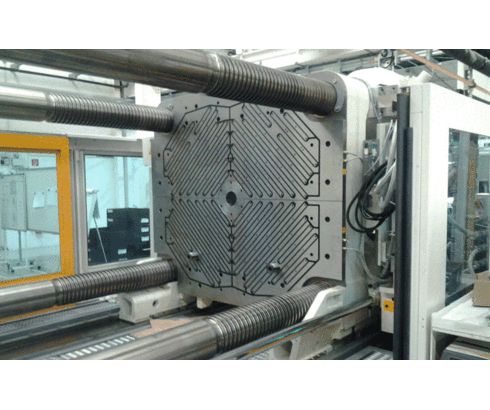
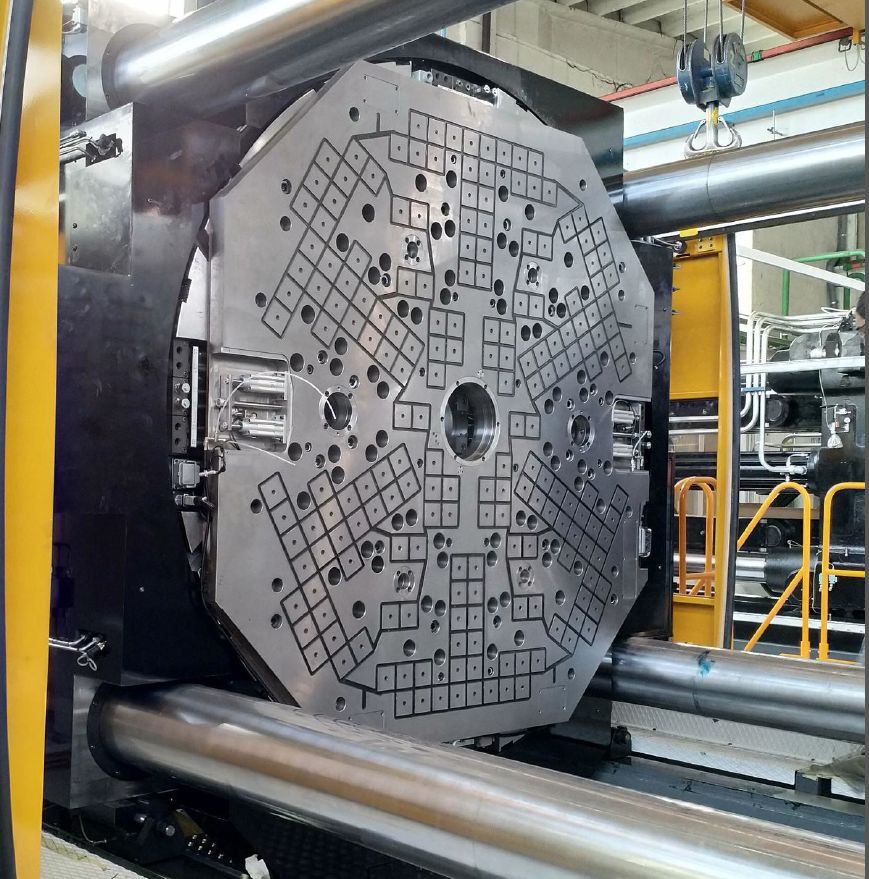
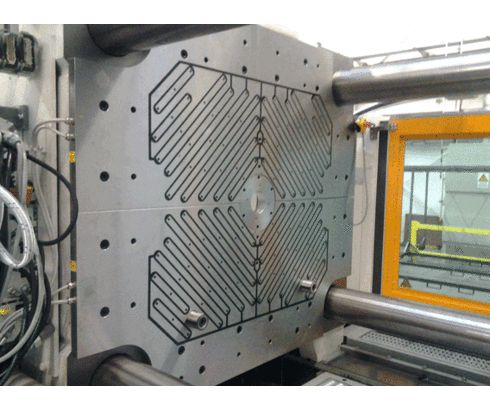
Our magnetic platens allow for a safe and instant anchoring of the die in a very diverse range of applications, from the processing of plastic and rubber to that of ceramic and metal.
CONSTANTLY EVOLVING KNOW-HOW
The know-how we gained in over 50 years of magnetic clamping systems production for all kind of industrial applications has allowed us to optimize our work processes and provide solutions to your increasingly complex and specific requests
HIGH DEGREE OF RELIABILITY AND FLEXIBILITY
Our specialized departments (Technical Department, R&D, Production and Assembly) work synergically in order to develop the best solution to any of your problems, including your tight delivery schedule.
SAFETY FIRST
We participate actively to the EN-EUROMAPS-ISO working groups and each of our products is certified and comes complete with manuals, CE mark and declaration of conformity.
Magnetic mold clamping, also known as magnetic clamping, is a technology used in injection molding and other manufacturing processes to securely hold and clamp the mold or tooling in place during production. Instead of traditional mechanical clamping systems like bolts or hydraulic clamps, magnetic mold clamping utilizes powerful permanent magnets to hold the mold in position.
Here's how magnetic mold clamping typically works:
Magnetic Plates: The mold or tooling is equipped with magnetic plates or inserts made of strong neodymium magnets. These magnets are capable of generating a high magnetic force.
Controller: A control unit or controller is used to regulate the magnetic force. It allows operators to adjust and fine-tune the clamping force as needed.
Contact Surface: The magnetic plates on the mold come into contact with a ferromagnetic surface, typically a steel platen on the injection molding machine or other equipment.
Clamping Force: When the magnets are activated, they create a strong magnetic field that pulls the mold and the ferromagnetic surface together, effectively clamping the mold in place. The force is sufficient to securely hold the mold during the injection molding process.
Advantages of magnetic mold clamping include:
Quick Setup: Magnetic clamping systems can significantly reduce setup time because they eliminate the need for manual tightening of bolts or hydraulic connections.
Reduced Downtime: Mold changes are faster and more efficient, reducing machine downtime and increasing production efficiency.
Flexibility: Magnetic clamping can accommodate molds of various shapes and sizes, making it suitable for a wide range of applications.
Uniform Clamping Force: The magnetic force distributes evenly across the contact surface, ensuring a uniform and stable clamping force.
Safety: Magnetic mold clamping systems can improve operator safety by eliminating the need for physical effort to tighten or loosen bolts.
Despite the advantages, there are some limitations to magnetic mold clamping, such as the need for a ferromagnetic surface and potential sensitivity to temperature. Additionally, the initial cost of implementing magnetic clamping systems may be higher than traditional clamping methods.
In summary, magnetic mold clamping is a technology that uses powerful magnets to hold molds or tooling in place during manufacturing processes, offering benefits in terms of speed, efficiency, and safety in various applications, particularly in the plastic injection molding industry.