Product Descriptions
Project-Specific Automatic Cleaning Systems
Integrated Cleaning Solutions for Complex Industrial Applications
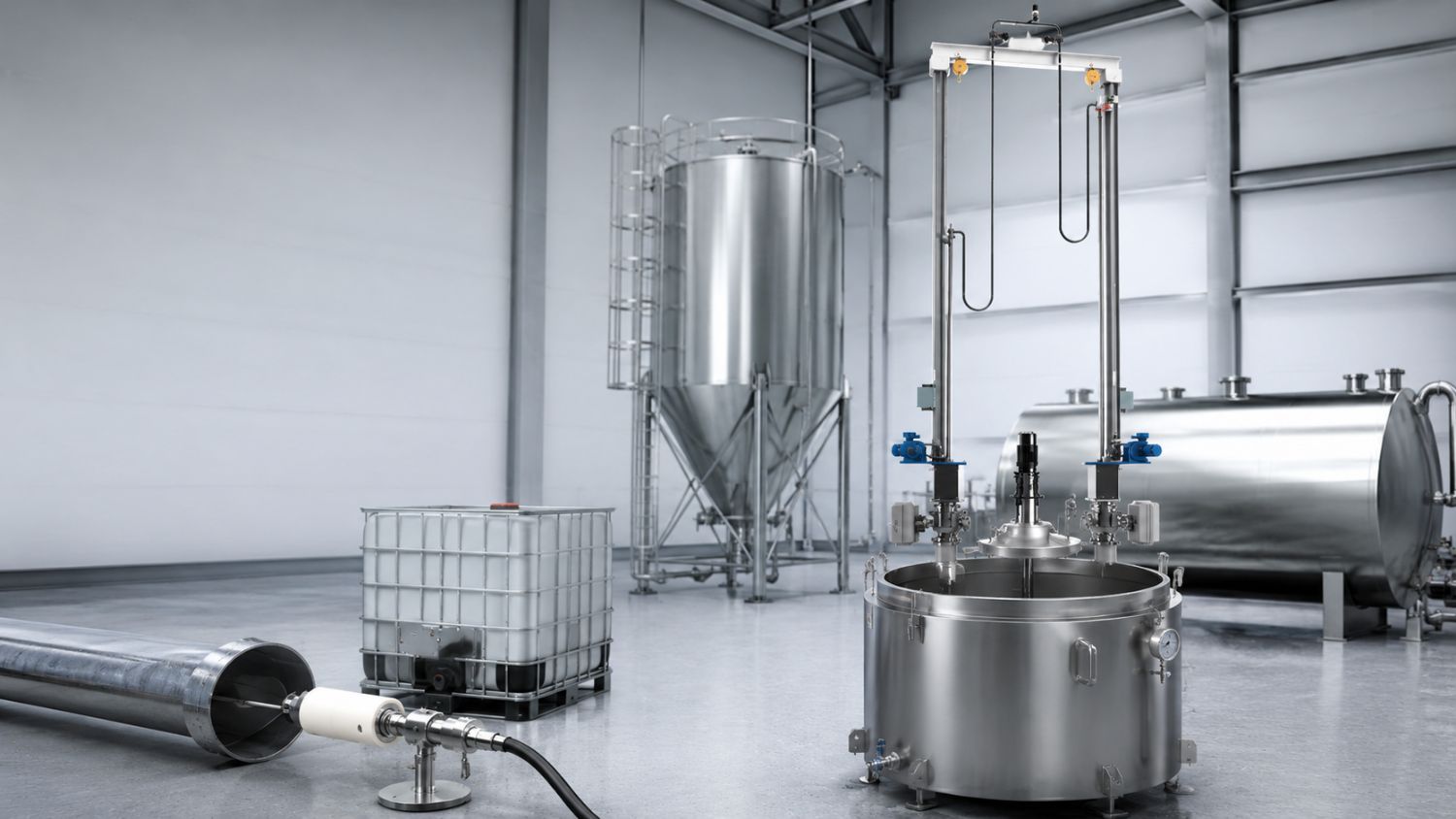
The dimensions, geometries, surface characteristics, and residues of parts requiring cleaning in industrial facilities can vary. Standard cleaning machines may not provide adequate solutions when dealing with large parts, specialized production equipment, hard-to-reach surfaces, or facility-specific operating conditions.
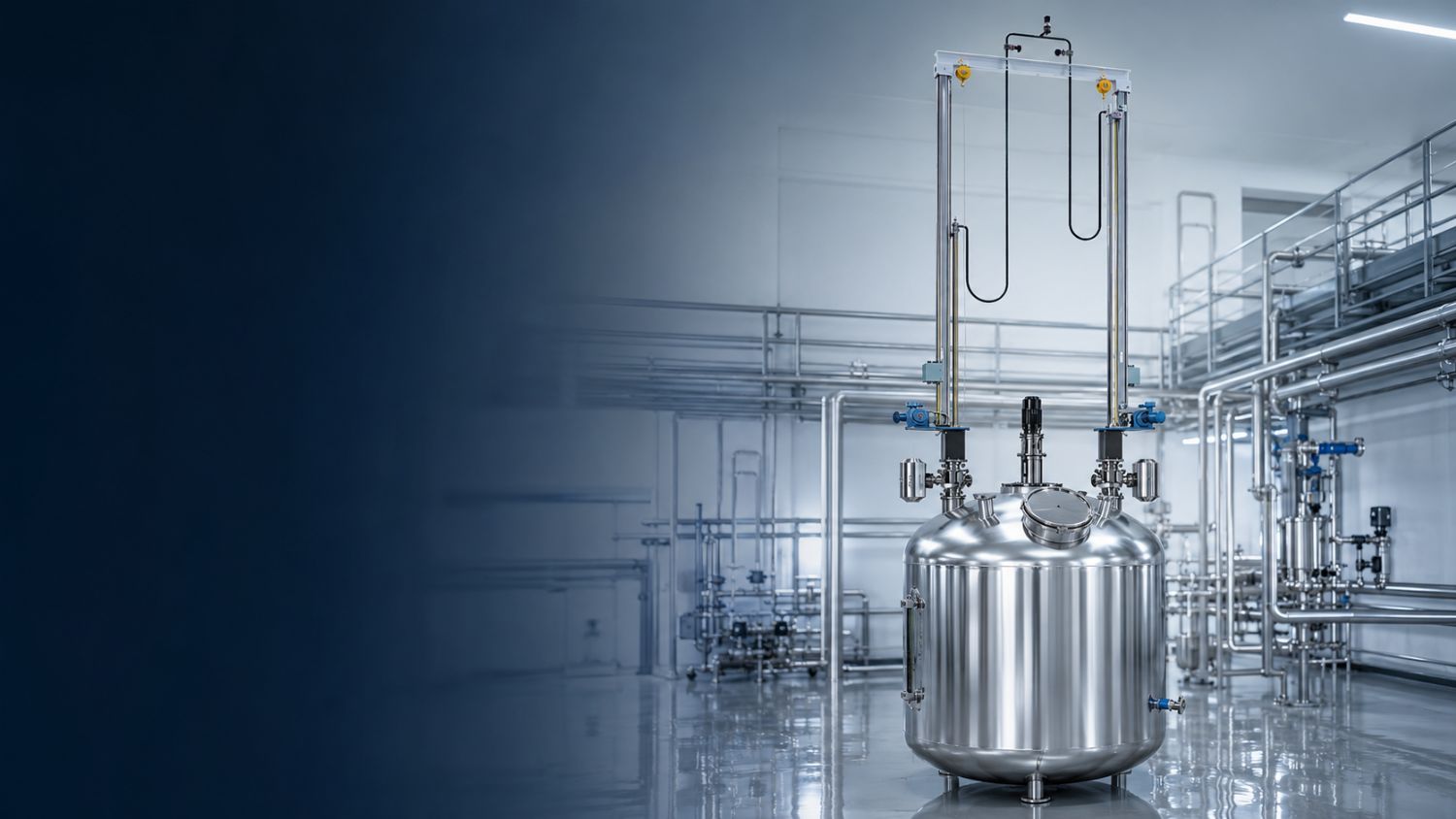
The RC Series Automatic Cleaning Systems are developed specifically for each project to meet the unique industrial cleaning needs that standard machines cannot address. The system can be configured according to the part to be cleaned, the type of contamination, the production environment, the level of automation, and the environmental requirements of the facility.
The goal is not only to remove surface residues but also to address cleaning, part handling, automation, operator safety, and environmental control needs within a single integrated solution.
Project-Specific System Design
The RC Series should be considered not as a standard machine with fixed features, but as a comprehensive cleaning system created according to the requirements of the application.
The following factors can be considered in project design:
* Dimensions and weight of the part to be cleaned
* Part geometry and hard-to-reach areas
* Main material of the part
* Surface coating and precision level
* Type, hardness, and thickness of residue
* Desired level of cleanliness
* Hourly or daily part capacity
* Need for manual, semi-automatic, or fully automatic operation
* Part loading and unloading method
* Available space in the factory
* Water and energy infrastructure
* Need for wastewater collection and filtration
* Operator safety and ergonomics expectations
* Integration requirements with the existing production line
Thanks to this approach, the system can be adapted not only to the existing cleaning problem but also to the production and maintenance processes of the enterprise.
Automatic and Controlled Cleaning
In manual cleaning processes, the result can vary depending on the operator's experience, the application time, and the method used. The RC Series helps create a more standardized and repeatable cleaning process by enabling control of process parameters and movements in appropriate applications.
Depending on the project, the system may include the following functions:
* Programmable cleaning cycles
* Automatic part positioning
* Movable or fixed cleaning nozzles
* Part rotation and axis movements
* Focused cleaning in defined areas
* Pressure, time, and motion control
* Pre-recorded recipes for different parts
* Automatic loading and unloading
* Robotic handling or manipulator applications
* Monitoring of process data
* Safety and alarm functions
Final specifications are determined after a technical analysis of the application.
Adaptation to Complex Field Conditions
The RC Series can be designed to adapt to complex working conditions in various industries. The dimensions of the existing production area, part movement direction, operator access, and plant infrastructure can be incorporated into the system design.
This flexibility is particularly advantageous in the following situations:
* Large parts that do not fit into standard machines
* Irregular and complex geometries
* Deep channels or blind spots
* Cleaning multiple surfaces
* Automated handling of heavy parts
* High cleaning frequency
* Limited factory space
* Integration into existing production lines
* Special safety or environmental conditions
* Cleaning different parts in the same system
Key Advantages of the RC Series
Application-Specific Engineering
Instead of adapting to the specifications of a standard machine, the system is designed according to the part to be cleaned and the operating procedures of the facility. This aims to avoid unnecessary equipment while combining the required functions in a single solution.
Repeatable Cleaning Quality
Programmable process parameters support achieving similar cleaning results within the same product group. This helps reduce operator-dependent variations and variability in cleaning quality.
Shorter Cleaning Times
Appropriate nozzle placement, movement structure, and automation level can help reduce the time spent on manual cleaning. Shorter cleaning cycles help limit maintenance and production downtime.
Wide Application Flexibility
The system can be configured for parts of different sizes, special geometries, and various types of contamination. With the right design, it is possible to clean multiple product families on the same system.
Operator Safety
Project-based options such as enclosed cleaning areas, safety guards, door locks, alarm systems, and automated process control can reduce the need for the operator to directly intervene in the cleaning area.
More Ergonomic Operation
Loading systems, lifting devices, manipulators, or robotic handling solutions for heavy or large parts can be integrated into the system. This structure...
It helps reduce the operator's physical workload.
Environmental Control
Project-specific enclosed cabinets, collection chambers, and filtration solutions can be evaluated to control water, moisture, particles, and process residues that may occur during cleaning.
This aims to keep the work area cleaner and support the company's environmental goals.
Integration into Existing Production Processes
The RC Series can be installed as a standalone cleaning station or, in suitable projects, designed as part of an existing production or maintenance line.
Part feeding, cleaning, and unloading operations can be arranged to suit the production flow.
Parts that can be cleaned
The RC Series can be configured for different industrial parts depending on the technical requirements of the project.
Potential applications may include:
* Plastic injection molds
* Injection mold parts
* Extrusion molds and head parts
* Extruder screws
* Screw elements
* Perforated and filter plates
* Tanks, boilers and process vessels
* Reactor inner surfaces
* Pipes and fittings
* Heat exchanger components
* Large machine parts
* Metal parts with irregular geometries
* Components with deep channels and cavities
* Special apparatus used in production lines
* Parts for the energy and battery sector
* Process equipment in the chemical and coatings industry
The suitability of a part for cleaning by the system should be determined by evaluating the material, surface, residue and process conditions together.
Use in the Plastics and Compound Industry
Polymers, pigments, fillers, resins and carbonized process residues can accumulate in equipment used in plastics processing and compound production.
The RC Series can be considered for projects involving the cleaning of the following equipment:
* Extruder screws and screw elements
* Extrusion heads and dies
* Perforated plates
* Filtering parts
* Vacuum and degassing equipment
* Mixers and process vessels
* Injection molds
* Production-specific apparatus
The cleaning system can be custom-configured according to the dimensions of the parts and the maintenance schedule of the facility.
Tank, Boiler and Reactor Cleaning
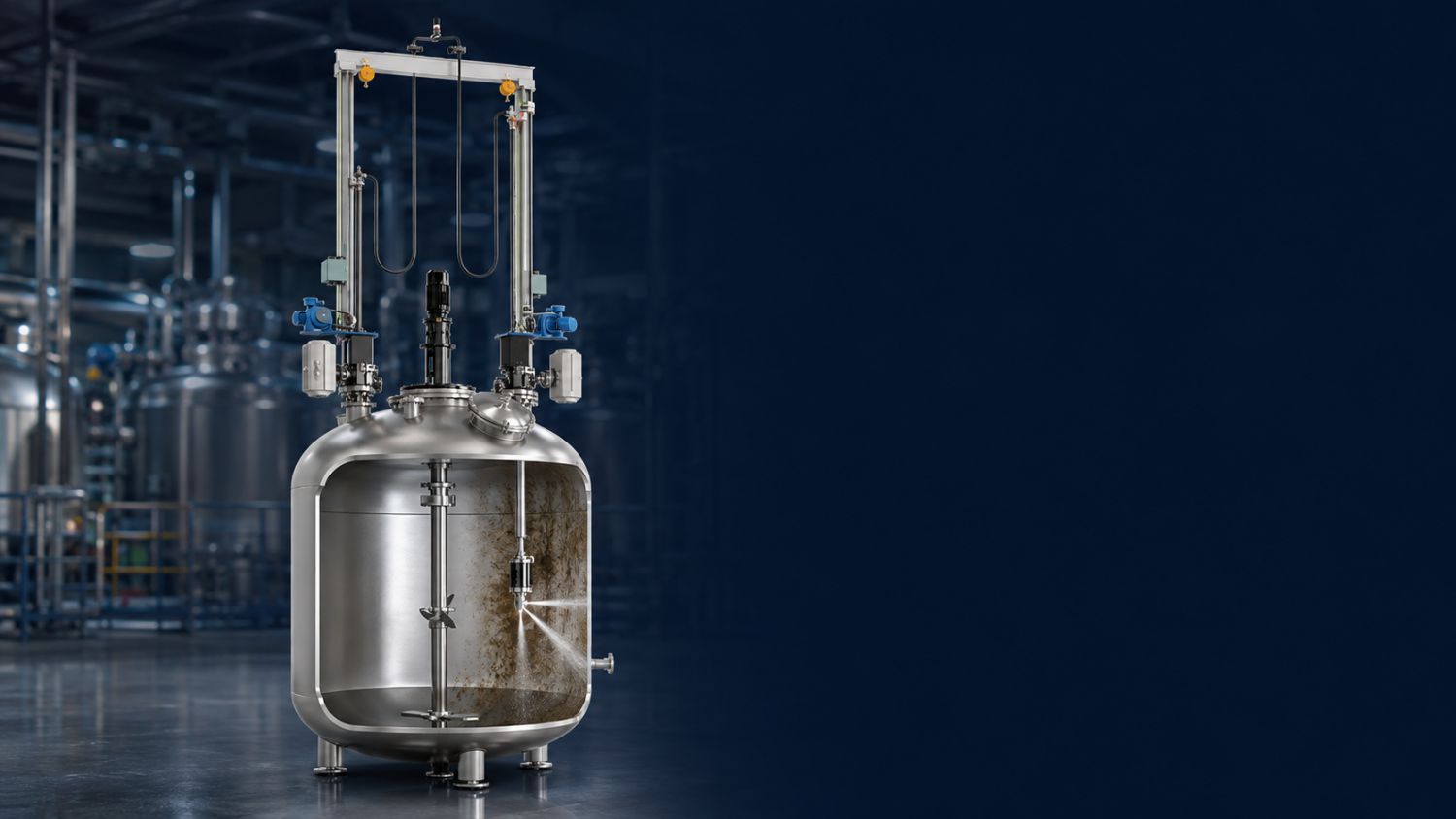
Product residues, resin, paint, chemical coatings, or hardened process residues can accumulate in tanks, boilers, and reactors. Large volumes, narrow entrances, and complex internal geometries can make manual cleaning difficult.
Within the scope of the RC Series, cleaning heads, movement mechanisms, and automation structures suitable for the geometry of the process vessel can be evaluated. This allows for more controlled access to internal surfaces and reduces the need for the operator to enter the enclosed space.
The final solution is determined according to the tank geometry, material, type of contamination, and site safety conditions.
Production Line Integrated Cleaning
In high-production capacity businesses, transporting parts to the maintenance area can be time-consuming. The RC Series can be designed to be integrated into the production line or maintenance cell in suitable applications.
An example integrated process might consist of the following steps:
1. Loading the part into the system
2. Selecting the part type or registered recipe
3. Automatically positioning the part
4. Applying the cleaning cycle
5. Rinsing or drying if necessary
6. Checking the process result
7. Safely unloading the part
These process steps are examples. The steps to be applied will be determined according to project needs.
Automation Options
The level of automation that can be considered for the RC Series depends on the capacity and process requirements of the business.
Manually Assisted System
The operator loads the part and starts the cleaning cycle. The system operates automatically with programmed process parameters.
Semi-Automatic System
While part of the loading or unloading operations are performed by the operator, positioning and cleaning movements are performed automatically.
Fully Automated System
Part recognition, loading, positioning, cleaning, and unloading stages can be managed within the automation system. Robot or conveyor integration can be considered if needed.
Auxiliary Systems
Depending on project needs, the following auxiliary equipment can be integrated into the RC Series:
* Part loading and unloading stations
* Conveyor systems
* Robotic handling
* Manipulator and lifting equipment
* Part turning mechanisms
* Special clamping devices
* Enclosed cleaning cabinet
* Water collection tank
* Filtration and reuse system
* Rinsing unit
* Drying system
* Ventilation and humidity control
* Safety guards
* Door locking systems
* Camera and process monitoring
* Data logging and remote support infrastructure
This equipment does not constitute standard scope; it is determined according to the project after technical evaluation.
Sustainable Cleaning Approach
The project-specific structure of the RC Series allows the cleaning process to be optimized according to needs. CorrectThe system design aims to control water and energy consumption, reduce cleaning time, and collect waste more regularly.
Depending on the application, the following environmental objectives can be evaluated:
* Regulating water consumption according to process needs
* Controlled wastewater collection
* Investigating filtration and water recovery
* Reducing the need for chemicals
* Preventing the spread of cleaning residues in the work area
* Optimizing energy consumption
* Reducing manual and repetitive operations
Actual consumption and environmental performance depend on the final system configuration and operating conditions.
Benefits for Businesses
The RC Series Automatic Cleaning System can provide the following operational benefits:
* Adaptability to special applications that cannot be solved with standard machines
* Reduction of the need for manual cleaning
* Shorter cleaning times
* Support for reducing production and maintenance downtime
* Repeatable cleaning programs
* Reduction of operator-dependent quality variations
* Controlled access to complex geometries
* More ergonomic handling of heavy parts
* Improved operator safety
* Controlled collection of cleaning residues
* Ability to process different parts in the same system
* Integration with existing production lines
* More efficient use of operating space
* Reduction of maintenance personnel workload
* Faster equipment return to production
How are Technical Specifications Determined?
There is no single technical specification table for the RC Series that is standard and applicable to all projects. System parameters are determined after application analysis.
The following technical values can be defined within the scope of the project:
Part to be cleaned | Type, material and surface properties
Part dimensions | Maximum length, width and height
Part weight | Minimum and maximum weight
Cleaning capacity | Hourly or daily number of parts
Type of contamination | Polymer, carbon, resin, paint, oil, or process residue
Cleaning method | Process solution suitable for the application
Automation level | Manually assisted, semi-automatic, or fully automatic
Movement structure | Stationary, rotary, multi-axis, or robotic
Loading system | Manual, manipulator, crane, conveyor, or robot
Cleaning cycle | According to part and contamination level
Filtering | According to process and wastewater requirements
Electrical and water infrastructure | According to plant conditions
Machine dimensions | According to part and layout plan
Safety equipment | According to the Project Risk Assessment
Information Required for Project Work
To prepare a suitable cleaning system, it is recommended to share the following information:
* Photographs of the parts to be cleaned
* Technical drawings of the parts
* Minimum and maximum dimensions
* Part weights
* Part materials
* Surface coatings
* Type of residue to be cleaned
* Hardness and approximate thickness of the residue
* Existing cleaning method
* Required cleaning level
* Daily or weekly cleaning amount
* Expected cycle time
* Existing factory layout
* Dimensions of the area where the system will be installed
* Water, electricity and air infrastructure
* Loading and unloading requirements
* Automation expectations
* Wastewater and filtration needs
* Applicable occupational safety conditions
Polmak Plastik will evaluate this data and provide support in determining the cleaning process, automation structure and auxiliary equipment.