Product Descriptions
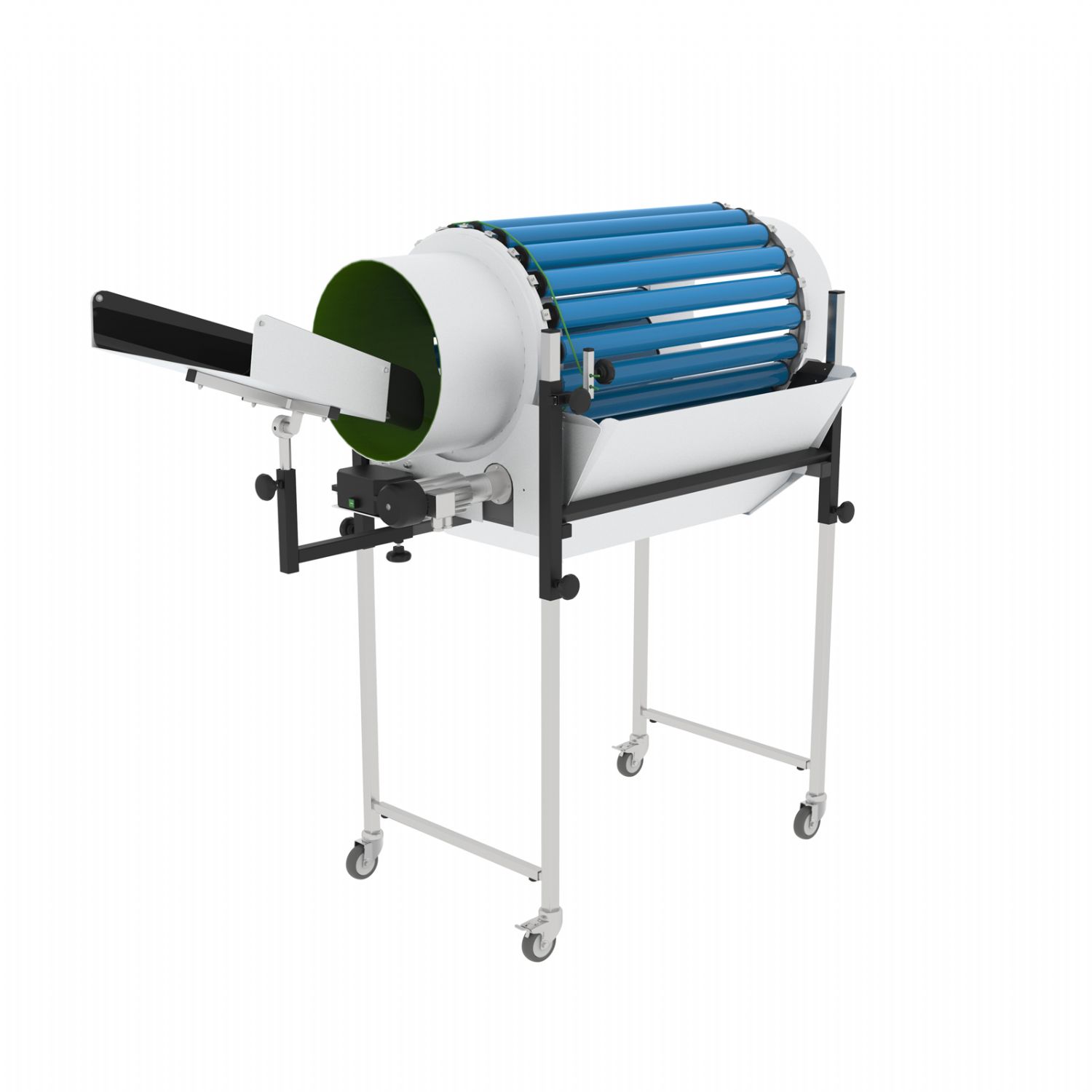
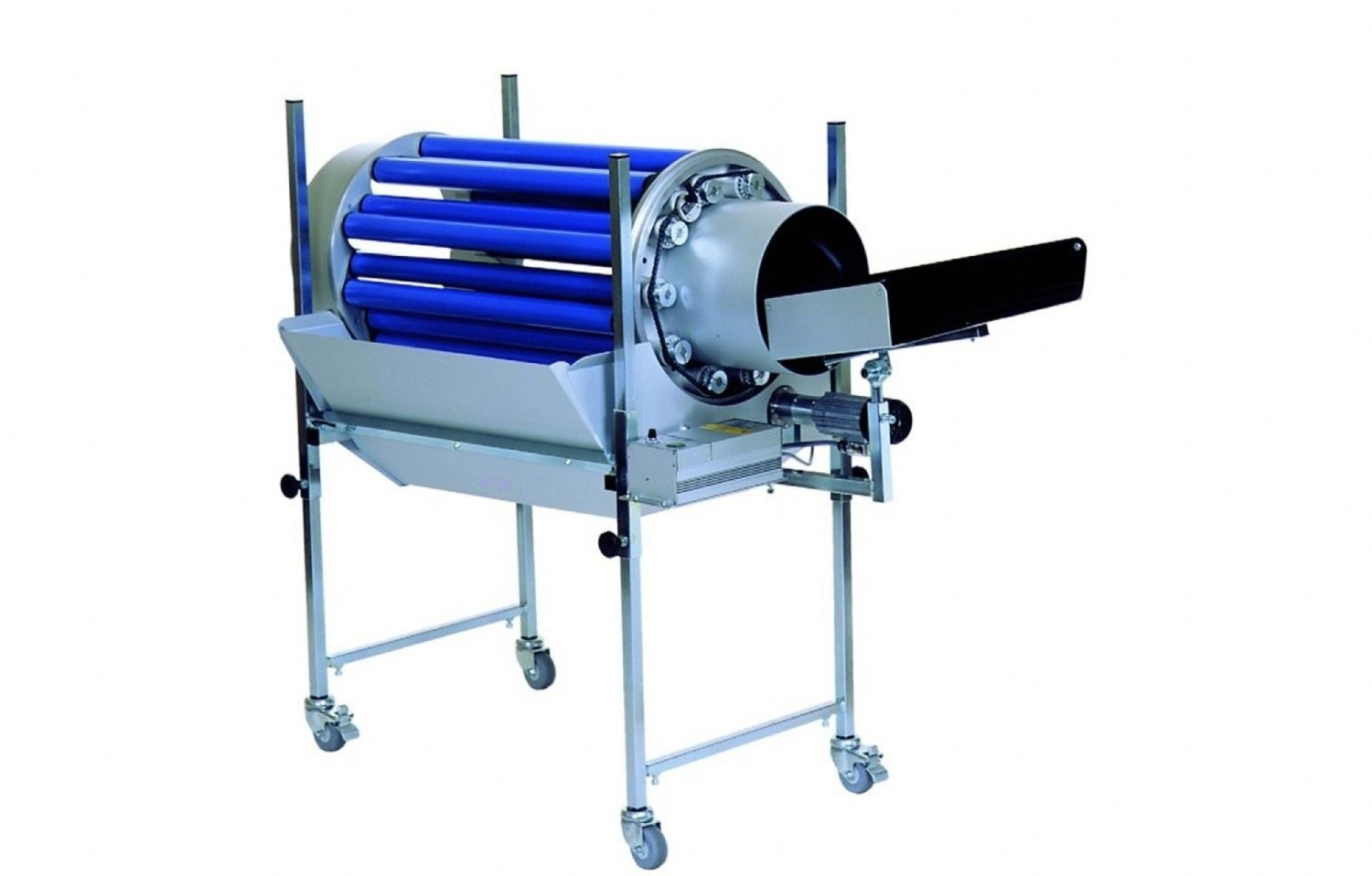
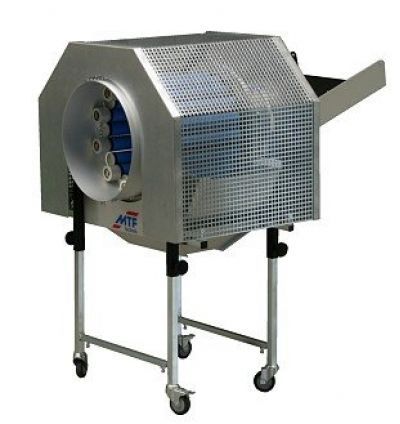
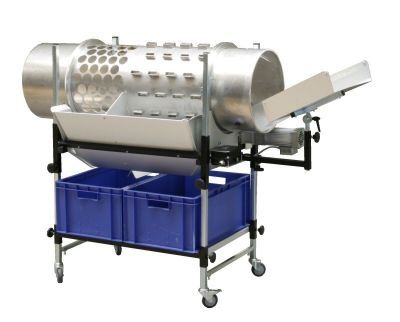
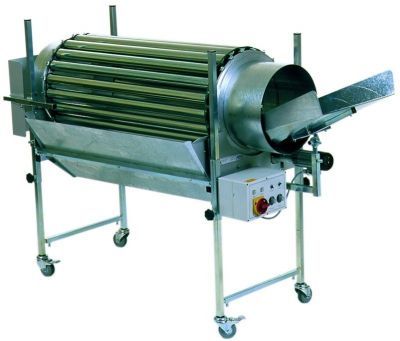
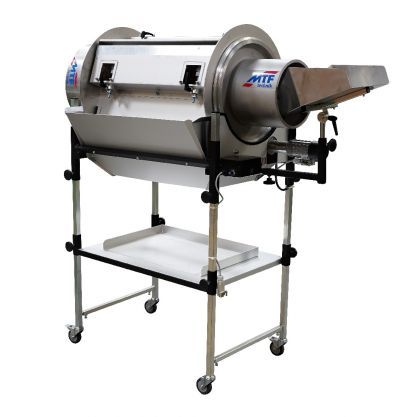
Separation Drums are machines, also referred to as industrial separation drums, that operate on a rotating drum principle and enable the separation of parts or materials on a production line based on their differences. These systems use variations in dimensions, shape, density, or surface characteristics to separate materials, support in-line quality control, and ensure that unwanted parts are correctly directed.
They play a critical role in automated production lines by preventing incorrect parts from entering packaging, injection, assembly, or shipping processes, thereby ensuring quality, reliability, and process stability.
MTF Technik Separation Drums - Structure and Operating Principle
Rotating Drum Structure
The core component of a separation drum is the rotating drum itself. This drum:
Is mounted inside a fixed housing.
Is typically manufactured from stainless steel or other high-strength industrial materials.
Has a surface geometry and rotational speed optimized according to the specific separation application.
The drum surface is profiled in such a way that materials are transported and separated in a defined direction. This profiling enables guidance of parts using centrifugal force, friction, and gravity.
Operating Principle and Physical Effects
Separation drum machines operate based on the following mechanisms:
a) Mechanical rotary separation
As the drum rotates, materials come into contact with the drum surface. The interaction between rotational speed, drum diameter, and the physical properties of the material enables separation of different parts.
b) Centrifugal effect and inclination
As drum speed increases, materials are projected from the drum surface along a defined trajectory. This effect allows parts with different sizes or weights to be directed into different discharge paths.
c) Surface friction and angle
The surface angles of the drum are specifically designed according to the type of material being processed. This allows lightweight and heavy parts, flat products, and open-shaped components to be separated from one another.
Technical Features and Performance Parameters
Dimensions and Sizes
Separation drum systems are manufactured in various diameters and lengths depending on production line capacity requirements:
Technical parameter - Typical range
Drum diameter: 300 mm - 1200 mm
Drum length: 500 mm - 2400 mm
Design speed: 30 - 120 rpm
Installation height: 500 mm - 2000 mm
Housing material: stainless steel / coated steel
Thanks to MTF's modular design approach, these dimensions can be customized to suit specific production line requirements.
Separation Performance
Typical performance values for separation drums vary depending on material type and production conditions. General technical parameters include:
Separable material size range: 1 mm - 100 mm
Throughput capacity: 50 - 5000 parts per minute
Separation accuracy: ±0.1 mm (for dimensional separation)
Surface orientation tolerance: ±2 mm
These values can be adjusted through drum profile design, rotational speed, and discharge channel configuration.
Control and Integration Components
Modern separation drum systems are often supported by the following components:
Drive motor with inverter for variable speed control
PLC-based control modules for production line synchronization
Sensors such as optical, photoelectric, or capacitive types
Variable speed controllers for dynamic adjustment based on production demand
Feedback systems for quality control detection
These components enhance operational stability, speed, and separation accuracy.
MTF Separation Drums - Application Areas
Plastic Injection Lines
Recycled plastic parts can be separated by size and shape immediately after the injection molding cell, ensuring correct downstream routing.
Metal Part Production
Used to separate pressed metal balls, hubs, scrap, or residuals from finished components and guide them accordingly.
Logistics and Packaging Lines
Small packaging components are oriented and separated correctly before entering packaging processes.
Food and Pharmaceutical Production Lines
With PLC control and hygienic surface designs, separation of parts by size or mass is possible, particularly for plastic packaging components.
Advantages of Separation Drums
High Processing Capacity
Drum-based systems enable rapid separation of large numbers of parts per second, which is a critical advantage for high-throughput production lines.
Precise and Repeatable Separation
Due to the physical separation effects of the rotating drum, materials can be separated with high accuracy based on:
Dimensional differences
Weight distribution
Surface orientation
These criteria can be applied with a high level of repeatability.
System-Level and Industrial Benefits
Separation drum systems provide the following industrial advantages:
Automatic separation of defective products during production
Prevention of incorrect parts entering packaging lines
Accurate feeding of robot cells
Elimination of manual sorting costs
Increased production efficiency and improved quality standards
Additional Technical Configurations
In some projects, separation drums are combined with:
Rotating drum plus optical sensor separation
Multi-belt drum configurations
Simultaneous separation with vibratory feeding
Feedback loop systems
Integration with enclosed conveyor systems
These configurations ensure stable operation even in high-volume and high-precision production environments.
Industrial Digitalization with MTF Separation Drums
Modern configurations make separation drums fully Industry 4.0 compatible:
PLC and SCADA integration
Production line data acquisition
Real-time performance analysis
Camera and AI-based part recognition (optional)
Conclusion - The Value of Separation Drums
MTF Separation Drums deliver high performance, precision, and process reliability in separation-based production lines through rotating drum technology. Especially in plastics, metal, packaging, logistics, and automotive industries, they fulfill critical functions such as:
Separation of high-volume parts
Prevention of defective products
Stabilization of production flow
With separation drums, production lines become not only faster, but also more accurate, traceable, and efficient.