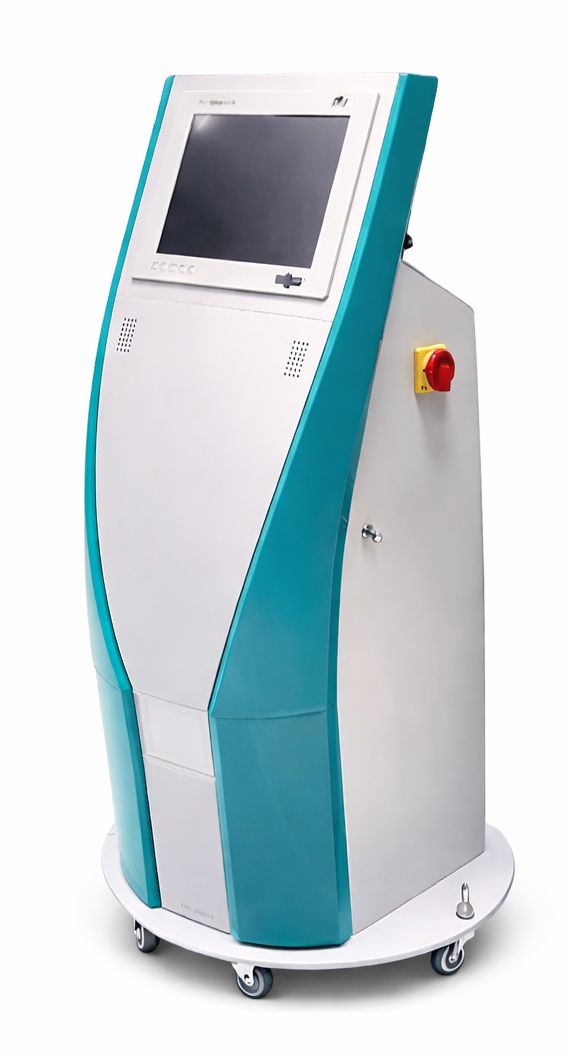
Product Descriptions
Nitrogen (N₂) Gas Injection Systems
Nitrogen (N₂) gas injection systems are among the most widely used and reliable gas-assisted manufacturing technologies in plastic injection molding processes. In gas injection applications, nitrogen, water, and more recently carbon dioxide (CO₂) are commonly used. However, due to its high-pressure resistance, inert nature, and excellent process stability, nitrogen remains the most preferred gas.
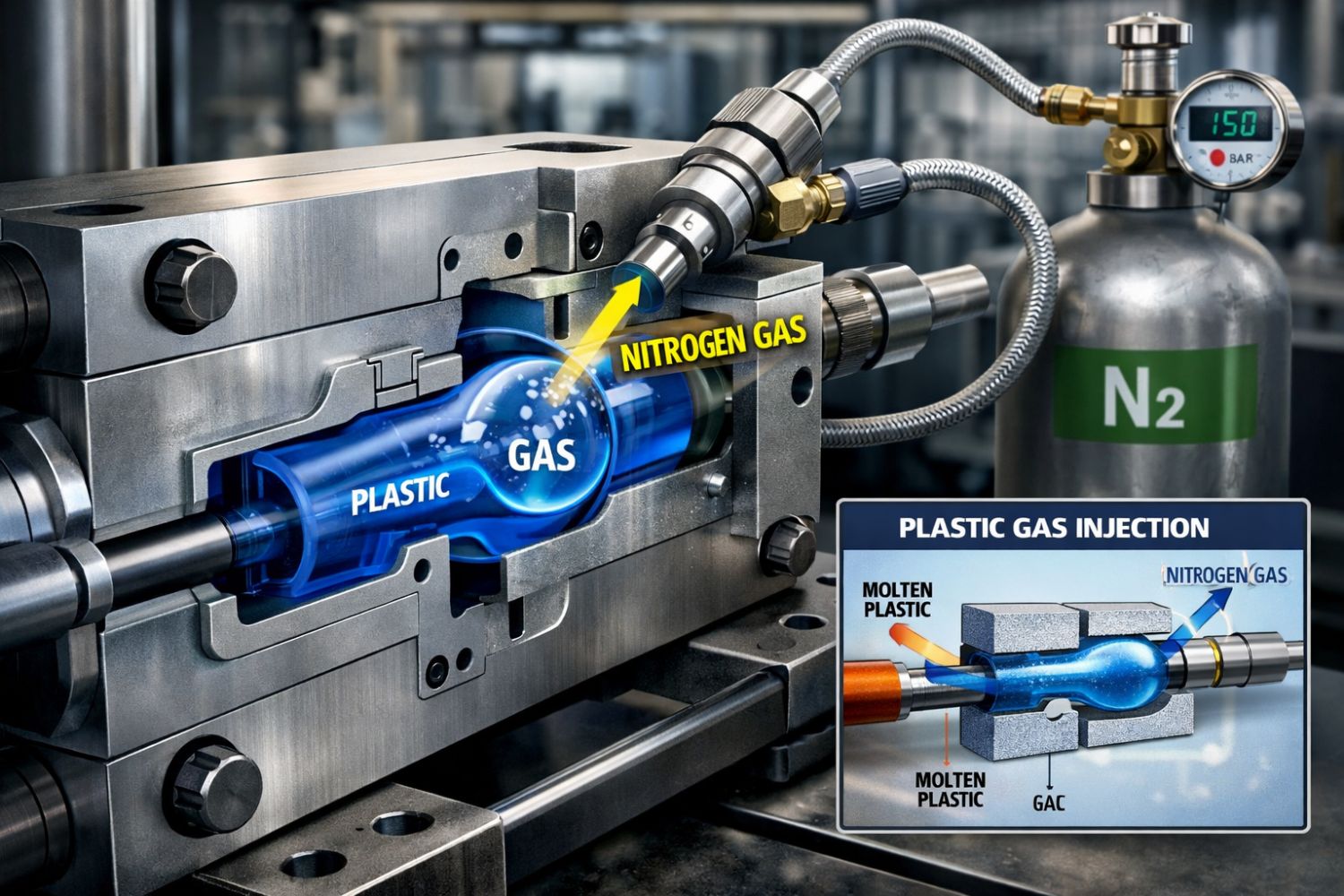
Gas-assisted injection technology is based on the principle of injecting high-pressure nitrogen gas into the molten plastic after it has been introduced into the mold cavity. This enables the creation of controlled hollow sections within the part, resulting in both material savings and improved product performance.
System Advantages
Nitrogen gas injection systems offer significant benefits in production processes:
Reduced raw material consumption
Minimization of sink marks and deformation
Shorter cycle times
Improved surface quality
Enhanced stability in thick-section parts
Reduction of internal stresses
Working Principle
The process begins with partial or full filling of the mold cavity with molten plastic material. High-pressure nitrogen gas is then injected into the melt, penetrating the material and forming internal hollow channels. This ensures uniform distribution of the material along the mold walls. The method delivers optimal results, especially for thick-walled and complex geometries.
Application Areas
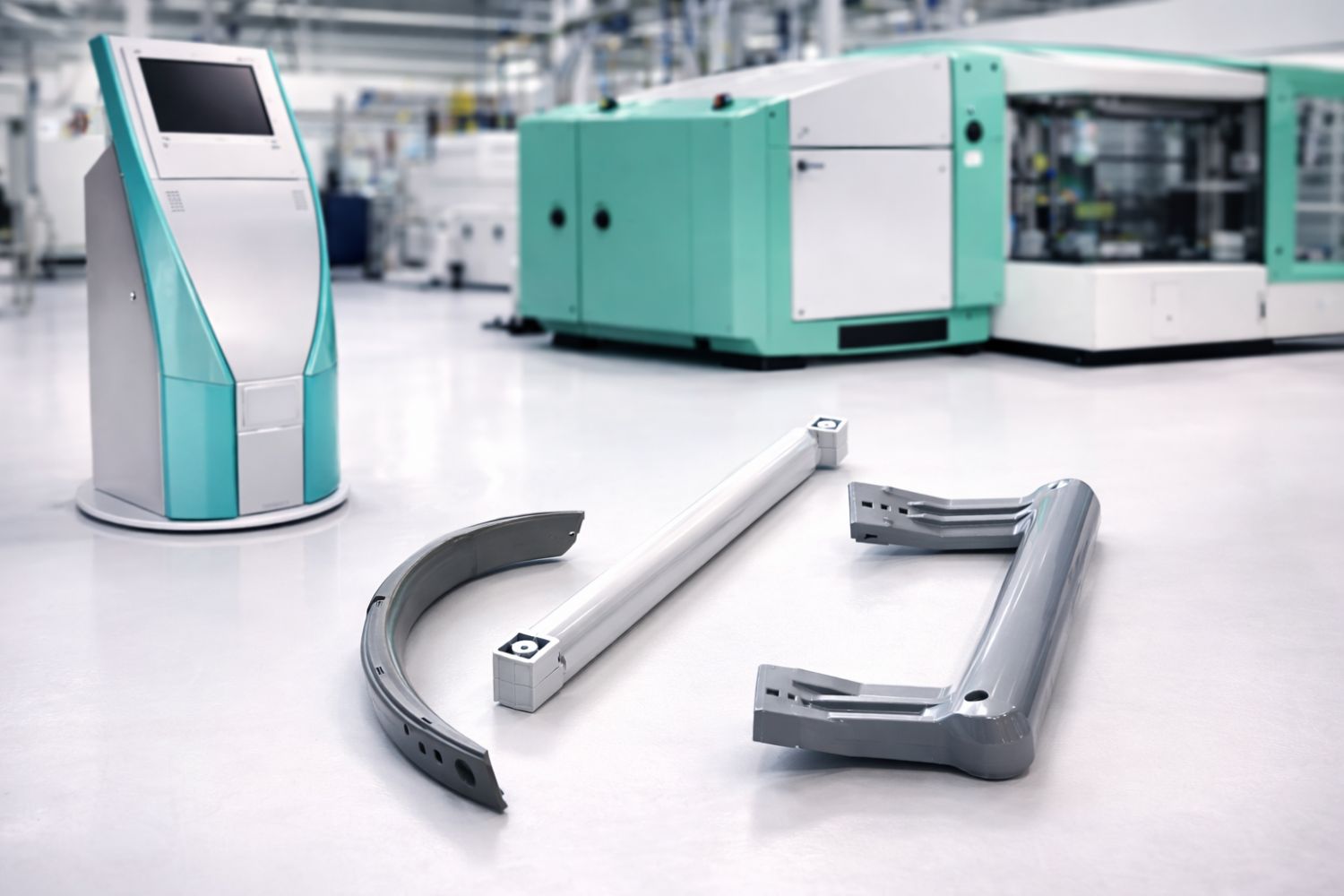
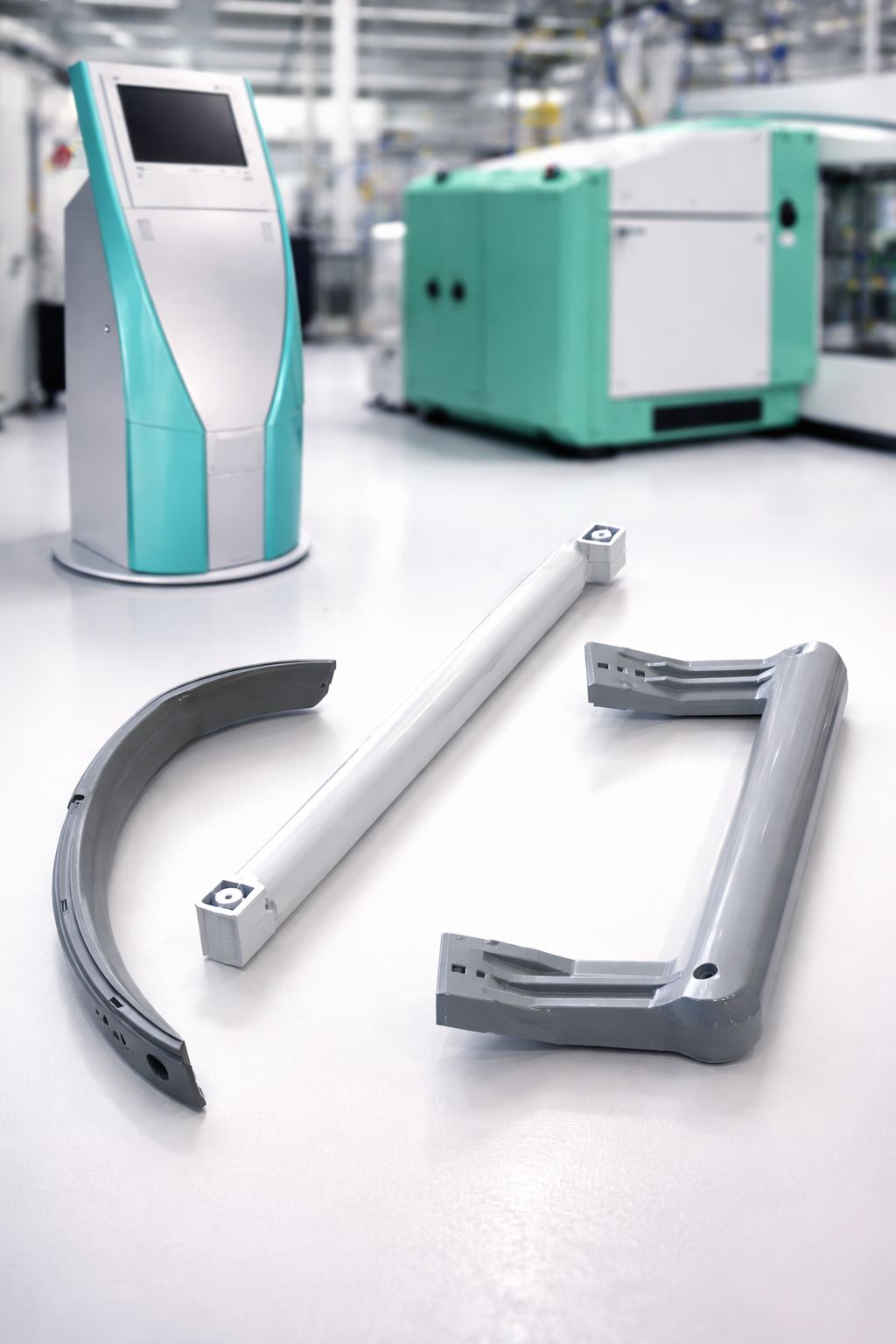
Automotive components (door handles, grab handles, interior trim parts)
Home appliance components
Furniture and decorative plastic products
Technical and industrial plastic parts
Hollow products such as pipes and profiles
Nitrogen gas injection systems stand out as a key technology in modern production lines, offering both cost efficiency and superior product quality.