Product Descriptions
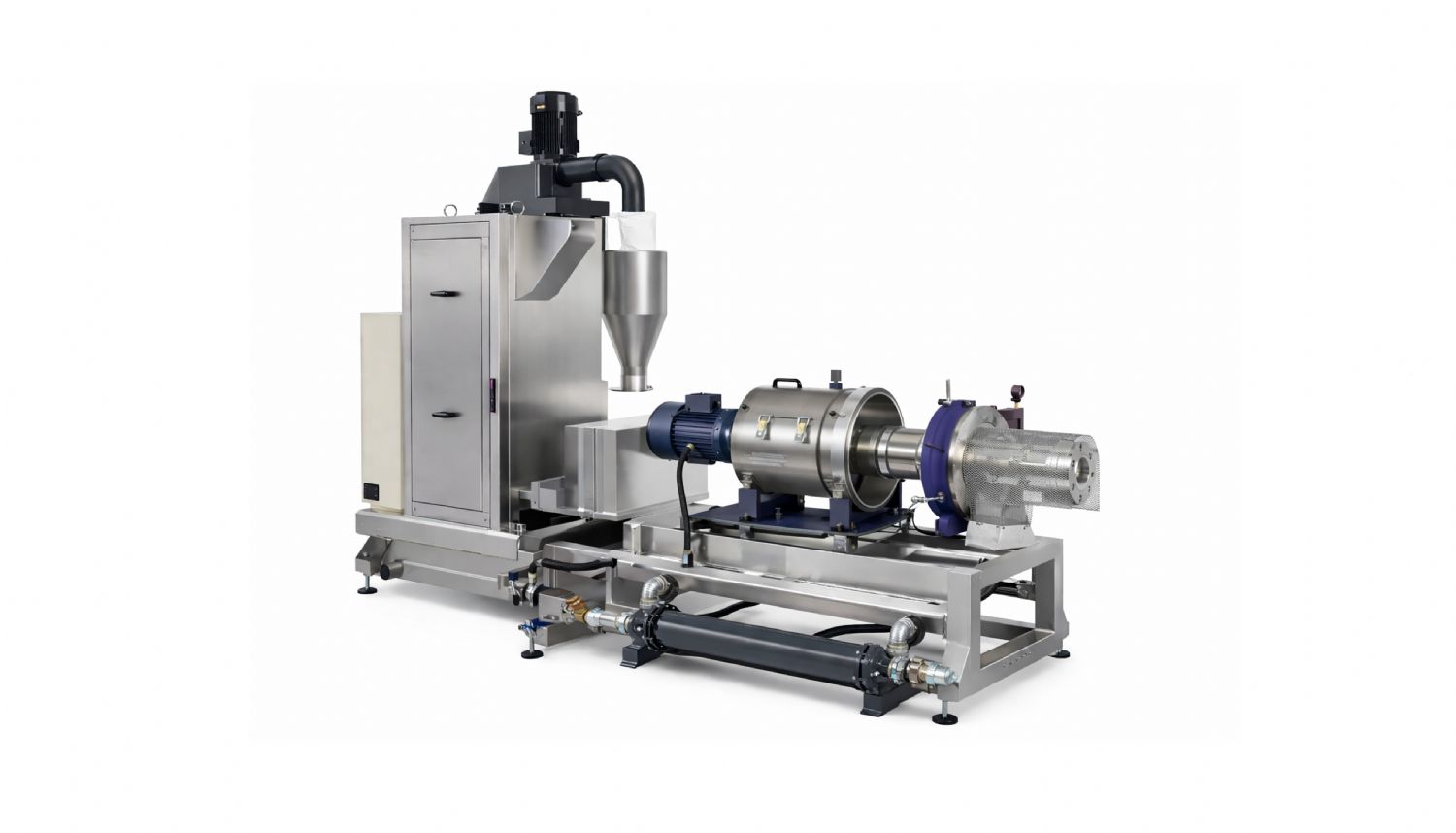
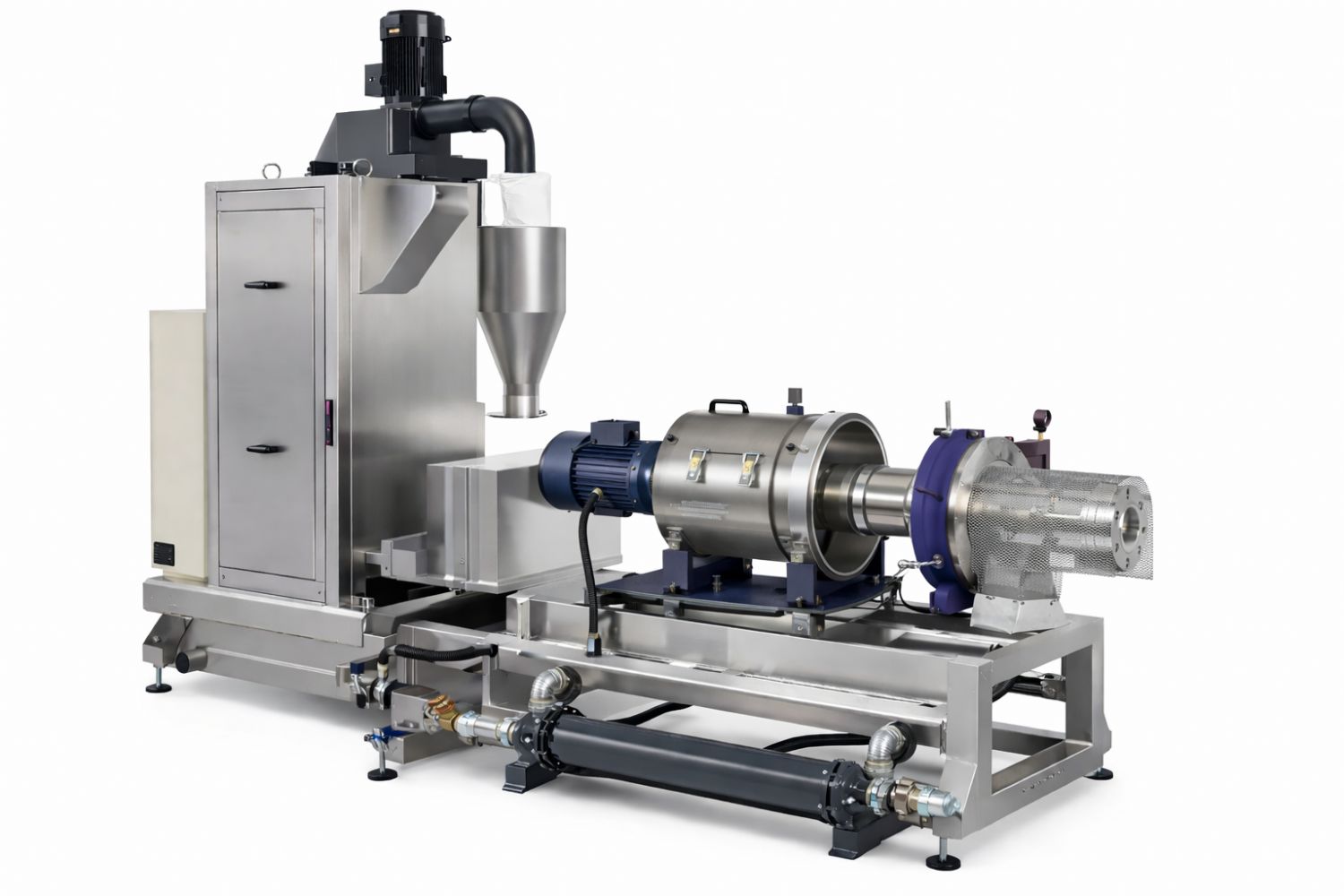
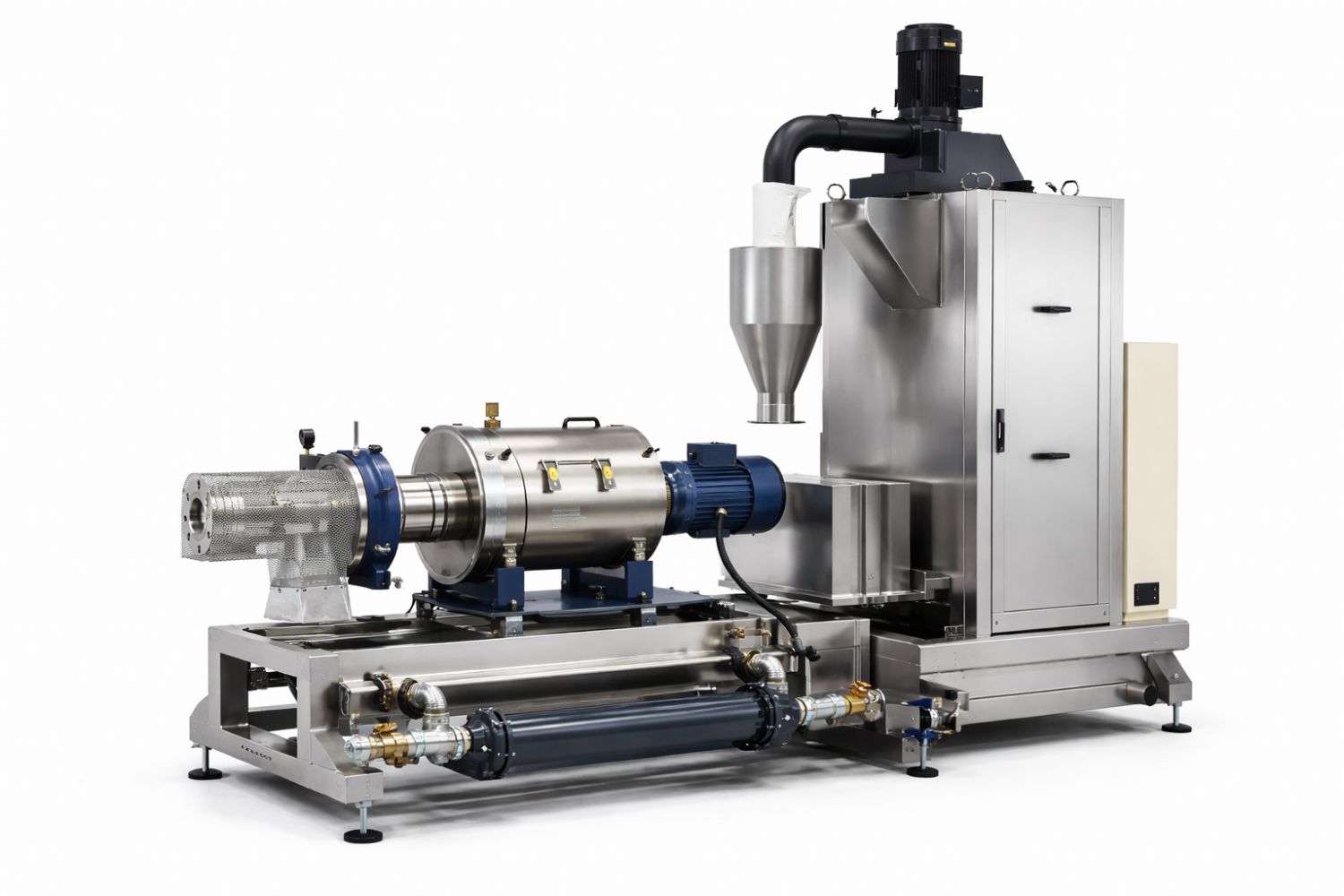
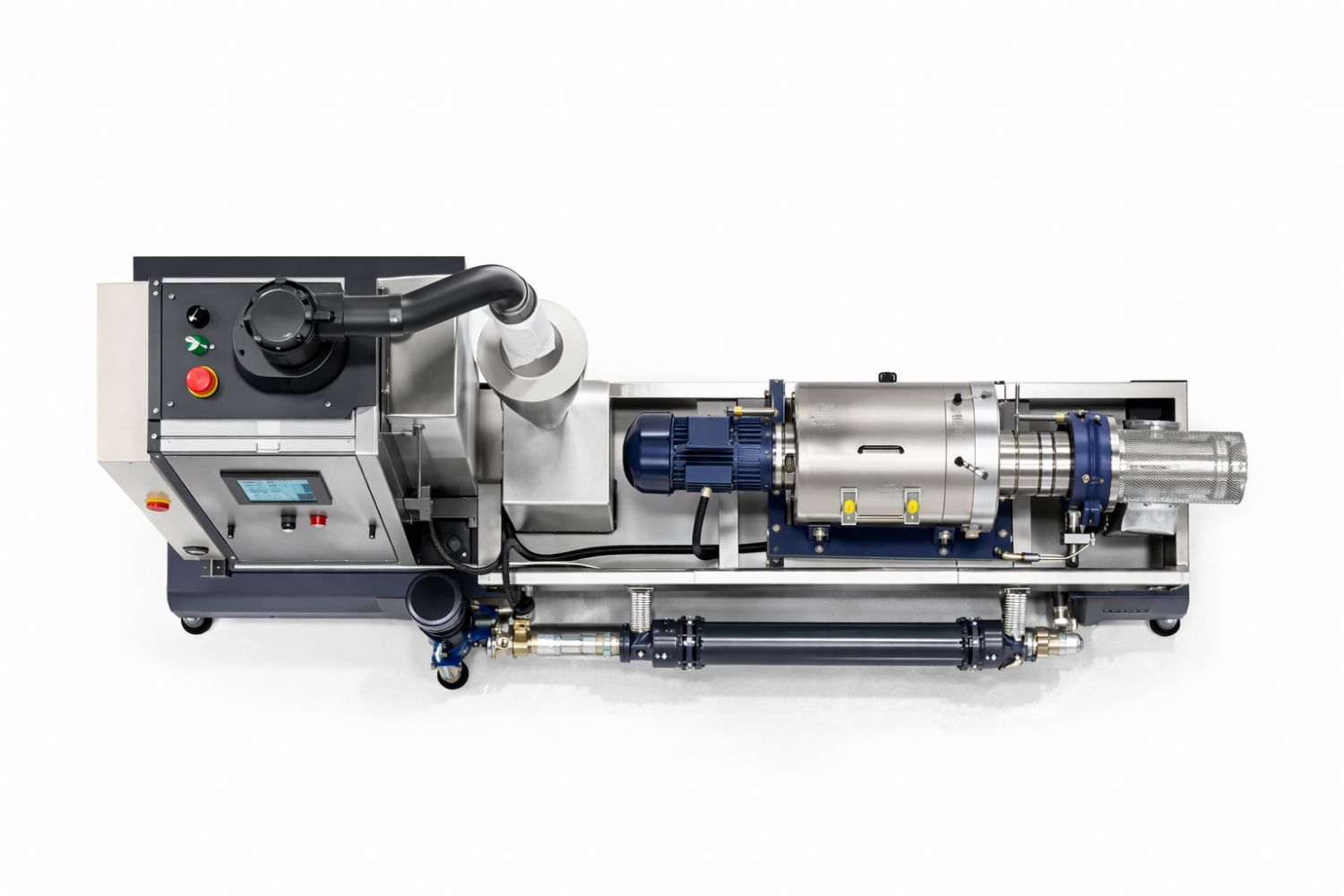
Water Ring Cutting System - Water Ring Pelletizing Systems
Detailed Technical Description & Features
The Water Ring Pelletizing System is a high-efficiency granulation technology in which thermoplastic resins are converted into pellets using the water ring principle.
This advanced pelletizing solution cuts molten polymer directly within a controlled water environment through a ring-shaped hydraulic flow. In the water ring method, cutting, cooling, and conveying occur simultaneously through the circulating water stream. This integrated process significantly improves production efficiency, pellet quality, and overall process stability.
Water Ring systems are particularly preferred in high-capacity production lines, continuous processing applications, and facilities requiring low dust generation and uniform pellet geometry.
System Components & Technical Specifications
1. Water Ring Die (Pelletizing Head)
The Water Ring die is the core component of the system. Molten polymer is pelletized instantly while still hot and in direct contact with the water ring environment.
• Material: High-strength temperature-controlled alloy steel
• Cutting Type: Water ring cutting system with precision cutter knives
• Die Structure: Multiple precision micro-sized ring holes
• Heating Type: Electrically controlled multi-zone heating system
• Advantage: Simultaneous surface cooling and cutting action
The Water Ring die ensures stable pellet surface formation while using hydraulic drag force to support material transport. This is critical for achieving homogeneous and near-spherical pellet shapes.
2. Water Ring Cutting Chamber
After exiting the die, the molten polymer enters the water ring cutting chamber. A high-flow water stream stabilizes the strand formation and ensures continuous ring cutting performance.
• Flow Control: PLC-controlled adjustable water flow rate
• Water Pressure: System-adjustable high-pressure ring water circulation
• Cooling Mechanism: Simultaneous water cooling during cutting
Because cutting and cooling occur at the same moment, dimensional tolerances remain tight, production runs remain stable, and pellet surface quality improves significantly.
3. Centrifugal Dewatering Unit
After cutting, the pellet-water mixture is transferred to the dewatering system.
• Type: High-efficiency centrifugal dewatering system
• Motor Power: 5.5 kW - 7.5 kW heavy-duty motor options
• Rotational Speed: 900 - 1450 rpm optimized spinning range
• Function: Efficient water separation and recovery maximization
The centrifugal dewatering stage removes the majority of residual water before final drying, reducing overall energy consumption and decreasing load on downstream drying equipment.
4. Pellet Dryer
Following dewatering, moist pellets are directed to a high-efficiency drying unit.
• Working Principle: Controlled hot air circulation
• Heating Power: 15 - 30 kW PID-controlled heating system
• Air Flow Capacity: 2000 - 5000 m³/h
• Moisture Control: Continuous RH sensor monitoring
Pellets are dried to the desired moisture level using precisely regulated hot air. This step is particularly critical in engineering plastics production where moisture sensitivity directly affects product quality.
5. Vibrating Classifier
Dried pellets are then screened through a vibrating classifier for dimensional consistency.
• Type: Industrial dual-layer screening system
• Motor Capacity: 2 × 0.15 kW vibration motors
• Screen Configuration:
- Upper screen: 6 mm perforation
- Lower screen: 16 mesh standard
• Discharge: Separate outlets for oversized pellets, standard pellets, and fines
This classification stage ensures tight pellet diameter tolerance and quality control. It is especially important in masterbatch production, technical resins, and highly filled compounds.
6. Conveying & Storage Systems
At the final stage, pellets are pneumatically conveyed and stored in stainless steel silos.
• Blower Motor: 3 - 5 kW high-volume air transfer
• Silo Capacity: 1000 - 3000 L modular storage units
• Pipeline Material: SUS304 stainless steel
• Frame: Modular supporting structure
This integrated conveying and storage system allows efficient internal transfer, rapid unloading, and uninterrupted production flow.
Working Principle - Step-by-Step Technical Process
Feeding & Melting
Plastic resin or recycled material is fed into the extruder and converted into a homogeneous melt.
Water Ring Entry
The molten polymer is directed through the Water Ring die into the cutting chamber.
Simultaneous Cutting & Cooling
The hydraulic ring flow cuts the polymer while simultaneously cooling it into pellet form.
Centrifugal Separation
The pellet-water mixture is separated using the centrifugal dewatering unit.
Pellet Drying
Pellets are dried using controlled hot air until the desired moisture level is achieved.
Vibrating Classification
Pellets are screened for dimensional tolerance and transferred to storage.
Technical Advantages & Performance Benefits
The Water Ring Pelletizing System offers advanced technological advantages:
• Simultaneous Cutting & Cooling: Enhances pellet shape consistency and surface quality
• High Capacity Efficiency: Water-based conveying enables stable and high-speed operation
• Energy Efficiency: Centrifugal separation reduces drying energy demand
• Low Dust & High Homogeneity: Controlled water flow minimizes dust formation and improves pellet surface finish
• Easy Maintenance: Modular stainless steel construction simplifies cleaning and service
Application Areas & Use Cases
Water Ring Pelletizing Systems are effective in:
• Water-based pellet production and molding applications
• Engineering plastics production lines
• Technical resins and masterbatch processing
• High-capacity post-extrusion pellet lines
• Moisture-sensitive polymer processing
• Recycling and re-granulation systems
This system is particularly suitable for applications requiring precise pellet quality and advanced process control.
The Water Ring Pelletizing System is an advanced granulation solution delivering high efficiency, process stability, and superior pellet quality through the water ring principle.
It plays a critical role in both standard polymer production facilities and engineering plastics lines where moisture control and dimensional tolerance are essential.
With its modular design, wide technical configuration options, and operational reliability, the Water Ring Pelletizing System stands as a highly efficient granulation solution for modern plastic manufacturing environments.