Product Descriptions
Rubber Devulcanization Solutions
Advanced Rubber Recycling Technology for Sustainable Reclaimed Rubber Production
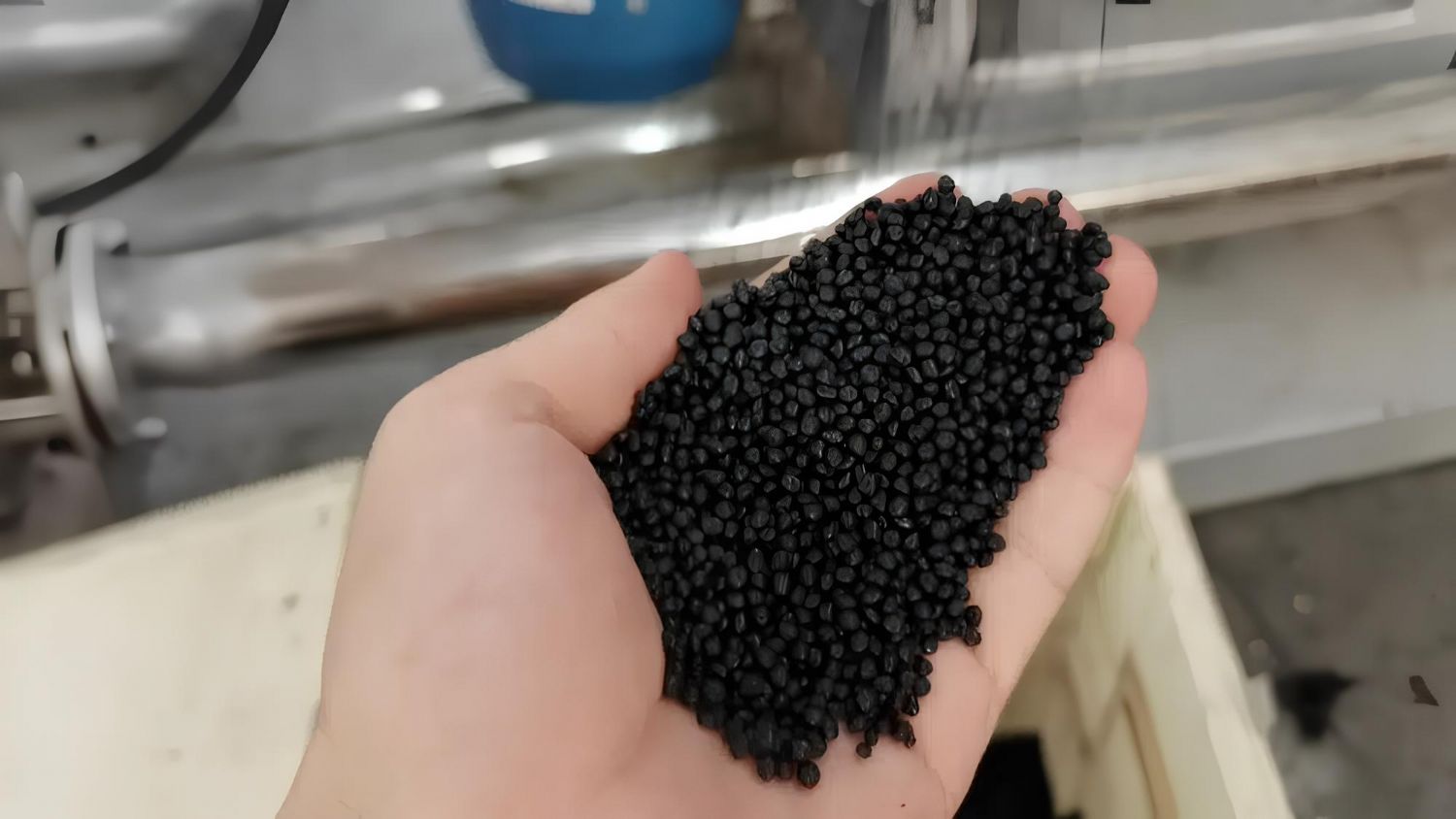
Rubber Devulcanization Solutions provide state-of-the-art systems engineered for the efficient recycling of vulcanized rubber waste into high-value reclaimed rubber. Designed to support sustainable rubber reuse and circular economy goals, these solutions utilize innovative devulcanization processes that break down cross-linked rubber networks while preserving key material properties. This technology enables manufacturers and recyclers to convert rubber waste into reusable raw materials for new products in automotive, industrial, and consumer applications.
Rubber devulcanization plays a critical role in addressing global rubber waste challenges by reclaiming valuable polymers from end-of-life tires, industrial rubber scraps, and other vulcanized rubber materials. By keeping materials in the production cycle, businesses can reduce dependence on virgin rubber, lower environmental impact, and enhance resource efficiency.
What is Rubber Devulcanization?
Rubber devulcanization is a recycling process that breaks the sulfur cross-links in vulcanized rubber, restoring elasticity and processability to the material. Unlike traditional rubber grinding or mechanical recycling, devulcanization restores the material structure so that it can be re-used as reclaimed rubber in new formulations. This allows recycled rubber to be blended with virgin rubber or used in a variety of molded and extruded products.
Key Features of Our Rubber Devulcanization Systems
Advanced Devulcanization Technology
Our systems use innovative devulcanization reactors and optimized process controls to gently break sulfur cross-links while preserving the polymer backbone. This results in reclaimed rubber with improved physical properties, making it suitable for high-performance applications.
Stable and Efficient Processing
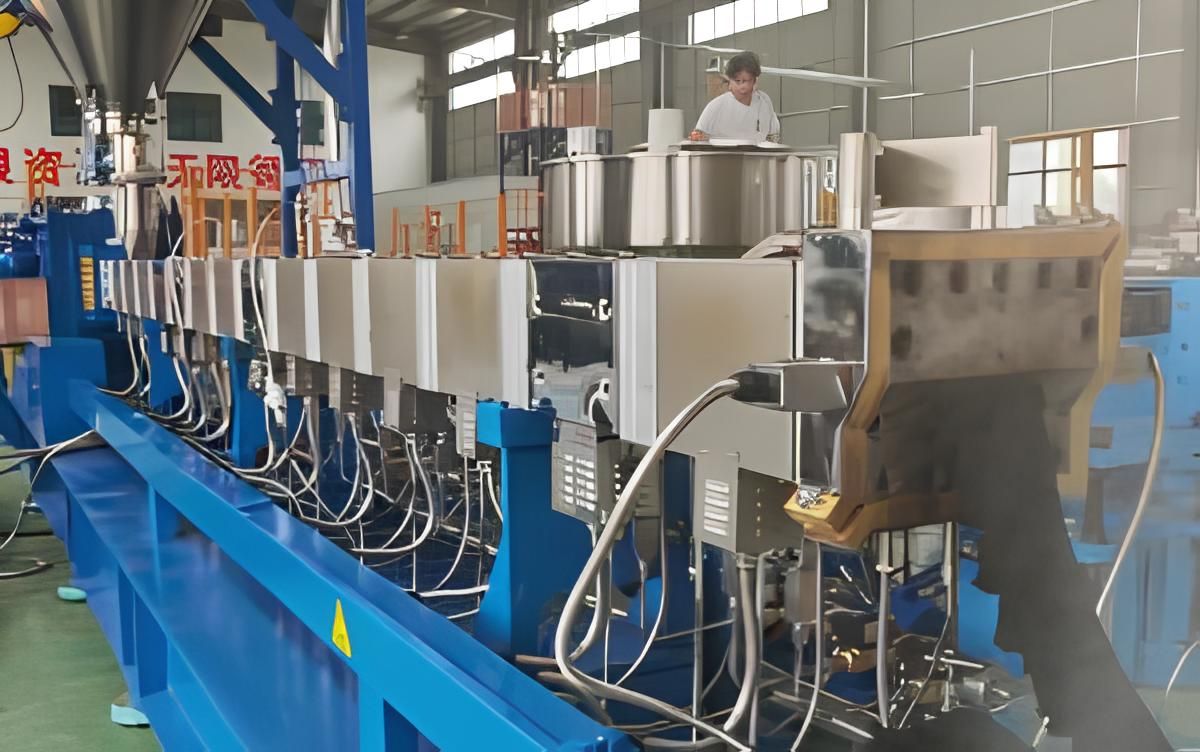
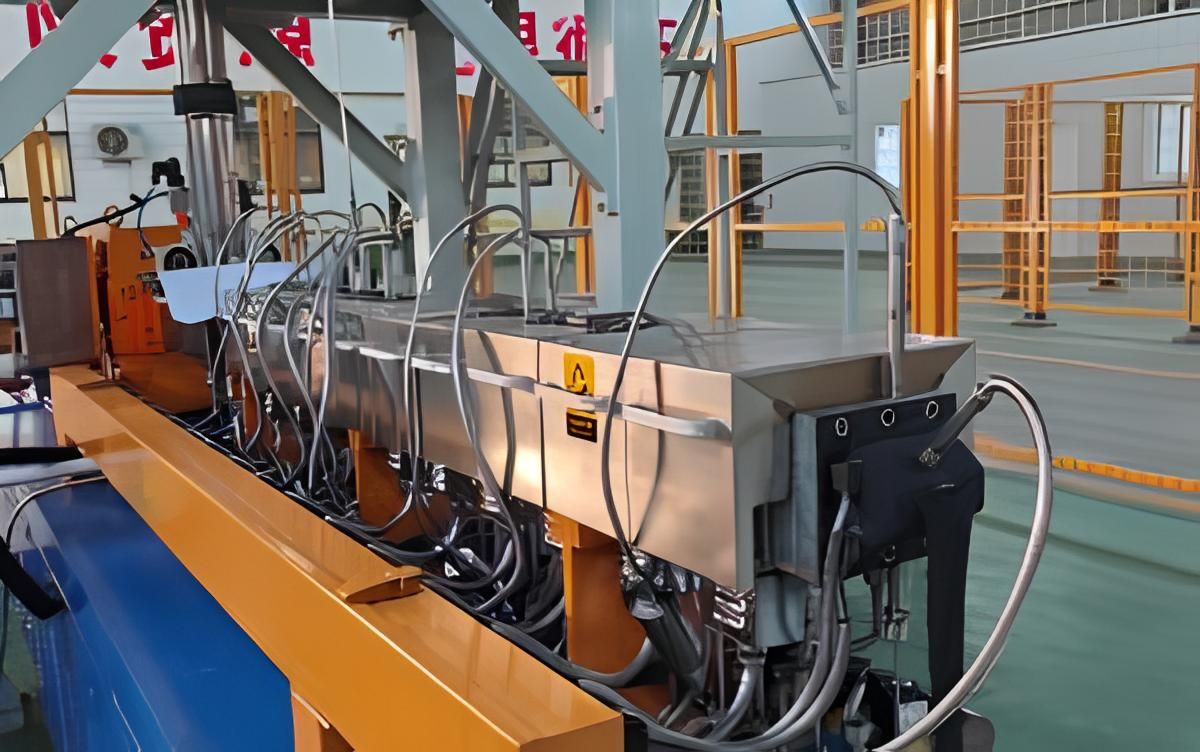
Equipped with high-efficiency extruders and precise temperature and pressure controls, the devulcanization line ensures stable material flow and consistent output quality. The process design minimizes degradation and preserves key mechanical properties.
Energy-Saving Design
The system's optimized process parameters and heat recovery features enhance energy efficiency, reducing overall operating costs. Integrated automation ensures reliable operation with minimal manual intervention.
Flexible Feedstock Handling
Designed to process a wide range of vulcanized rubber feedstocks - including end-of-life tires, industrial scraps, and molded rubber parts - the system supports versatile recycling strategies tailored to material availability and end-product targets.
Typical Devulcanization Process
A complete rubber devulcanization solution consists of:
• Feedstock preparation and shredding
• Controlled devulcanization reactor
• Precise temperature and pressure control systems
• Cooling and material stabilization units
• Pelletizing or reclaim processing modules
• Automated monitoring and safety systems
This configuration delivers a seamless workflow that converts challenging rubber waste into reusable reclaimed rubber.
Benefits of Rubber Devulcanization
• Produces high-quality reclaimed rubber suitable for reuse
• Reduces dependence on virgin rubber materials
• Supports sustainable and circular rubber economy goals
• Enhances resource efficiency and lowers environmental impact
• Flexible processing for a variety of rubber waste streams
• Scalable solutions for industrial-level recycling
Application Areas
Reclaimed rubber from devulcanization systems can be used across a range of industries, including:
• Automotive components and tire retreading
• Industrial belts, hoses, and molded rubber goods
• Consumer products with rubber elements
• Construction materials and elastomeric components
• Rubber compounding and new material formulations
Why Choose Our Rubber Devulcanization Technology?
• Advanced devulcanization and polymer recovery processes
• Energy-efficient design with automated control systems
• Consistent product quality with strong mechanical properties
• Flexible configuration for multiple rubber feedstocks
• Turnkey solutions for both emerging and established recycling operations