Product Descriptions
Precision Plastic Part ManufacturingeLseLated Production - Choosing the Right Technology
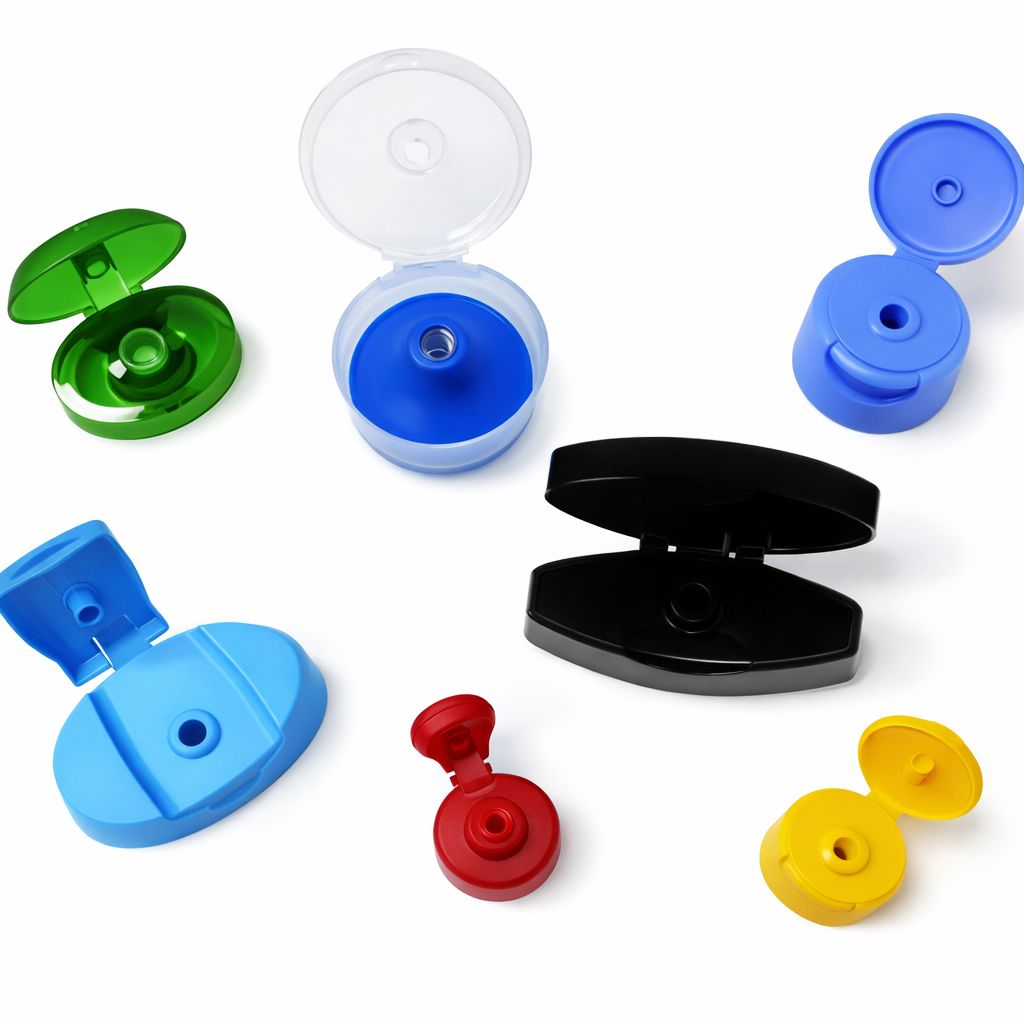
The production of precision plastic parts is a critical process that directly determines product quality in packaging, medical, cosmetics, and electrical-electronics industries. Flip-top caps, thin-wall packaging components, and functional plastic parts require high repeatability, tight tolerances, and stable process control.
For this reason, fully electric and hybrid injection technologies are increasingly preferred in modern manufacturing environments.
According to catalog data, next-generation systems provide:
energy savings of up to 60%
high injection accuracy
stable and repeatable production
oil-free and clean processing conditions
low noise operation
Why Fully Electric and Hybrid Injection for Precision Parts?
1. High Repeatability and Tolerance Control
Precision components require process control at micron level. Thanks to electric screw drive systems and load-cell feedback technology:
injection pressure
holding pressure
screw movement
can be controlled with extreme accuracy, ensuring consistent part quality.
This structure provides critical advantages in the production of:
flip-top caps
medical components
electronic housings
thin-wall packaging parts
2. Energy Efficiency and Low Operating Cost
Modern injection systems achieve significant energy optimization through:
insulated plasticizing units
inverter-controlled motors
intelligent ECO / NORMAL / FAST operating modes
According to technical data:
energy consumption can be reduced by up to 60%
friction coefficients are 5-10 times lower than conventional systems
pump systems operate only when required, minimizing energy use
For manufacturers this means:
lower part cost
stronger competitiveness
shorter return on investment
3. Clean and Contamination-Free Production
Oil-free electric systems ensure:
no oil contamination in the mould area
safe production of medical and cosmetic components
maximum cleanliness in the discharge zone
This advantage is critical for:
food packaging
hygiene products
pharmaceutical components
4. High Speed and Short Cycle Time
Accumulator-assisted injection systems and synchronized motion control enable:
high-speed injection
stable cavity filling
shorter cycle times
As a result:
production capacity increases
cost per part decreases
efficiency improves in high-volume production
5. Mold Protection and Surface Quality
Linear guide motion systems and servo-controlled clamping mechanisms provide:
uniform clamping force distribution
prevention of mold deformation
high surface quality
This makes them ideal for:
optical surface parts
tight-tolerance technical components
thin-wall packaging products
Quantitative Advantages - Technical Overview
Key performance indicators of modern precision injection systems:
up to 60% energy savings
5-10 times lower friction coefficients
fully electric machine range: 50-350 tons
hybrid machine range: 50-800 tons
multi-injection capability up to 3200 tons
high-speed and stable injection performance
Ideal Application Sectors
Precision injection technologies are widely used in:
packaging and flip-top cap production
cosmetics and personal care products
medical components
electrical and electronic parts
automotive interior trim
PET preforms and closures
Selecting the right technology in precision plastic part production is a key factor for product quality, manufacturing cost, and sustainability.
Fully electric and hybrid injection systems have become the standard solution in modern manufacturing thanks to:
high repeatability
tight tolerance capability
energy efficiency
clean production
fast cycle times
These technologies create a strong competitive advantage by enabling the simultaneous achievement of quality, speed, and cost balance - especially in precision products such as flip-top closures and thin-wall components.