Product Descriptions
CO-Injection Technology for Plastic Part Manufacturing
CO-Injection technology is an advanced injection molding method that enables two different polymers to be molded in a controlled and sequential structure within a single product. With this approach, the outer layer meets aesthetic and functional requirements while the inner core is optimized for cost efficiency, mechanical strength and sustainability.
In modern plastics manufacturing, CO-Injection is widely used as a strategic production solution across packaging, medical, automotive, electrical-electronic and consumer goods industries, delivering high efficiency and material optimization.
CO-Injection Working Principle
The system operates with a sequential A + B + A material flow through a single nozzle:
outer shell
high-performance or virgin material
inner core
recycled, alternative or cost-optimized material
final layer
surface stability and aesthetic quality
This structure creates a multi-layer architecture inside the part while maintaining both mechanical strength and surface quality.
Quantifiable Production Advantages
CO-Injection technology provides measurable manufacturing benefits:
40% - 65% recycled material utilization in thick parts
significant reduction in virgin raw material consumption
15% - 30% potential improvement in cost per part
lower masterbatch and additive consumption
faster ROI in high-volume production environments
part weight optimization and lightweight design opportunities
These values create substantial cost advantages, especially in thick-wall and high-volume manufacturing.
Machine Capacity and Technical Range
CO-Injection systems can be applied across a wide production platform:
clamping force range: approx. 50 - 3200 tons
multi-injection unit configurations: 2 - 6 units
high shot volume and plasticizing capacity
hybrid, hydraulic and full-electric machine options
high injection speed and precise process control
This flexibility enables production of both small precision components and large structural plastic parts.
Energy Efficiency and Sustainability
CO-Injection technology directly contributes to sustainable manufacturing goals:
reduced raw material consumption
integration of recycled materials
minimized production waste
lower carbon footprint
In servo-hydraulic and hybrid systems, energy consumption can be 30% - 60% lower compared to conventional hydraulic machines.
Product Performance and Engineering Advantages
CO-Injection combines the benefits of different materials within a single product:
high rigidity and impact resistance
lightweight core with strong outer shell
optimized chemical and mechanical performance
high surface quality
greater design flexibility
This approach improves product performance while maintaining cost control.
Application Areas
CO-Injection technology is actively used in many industries:
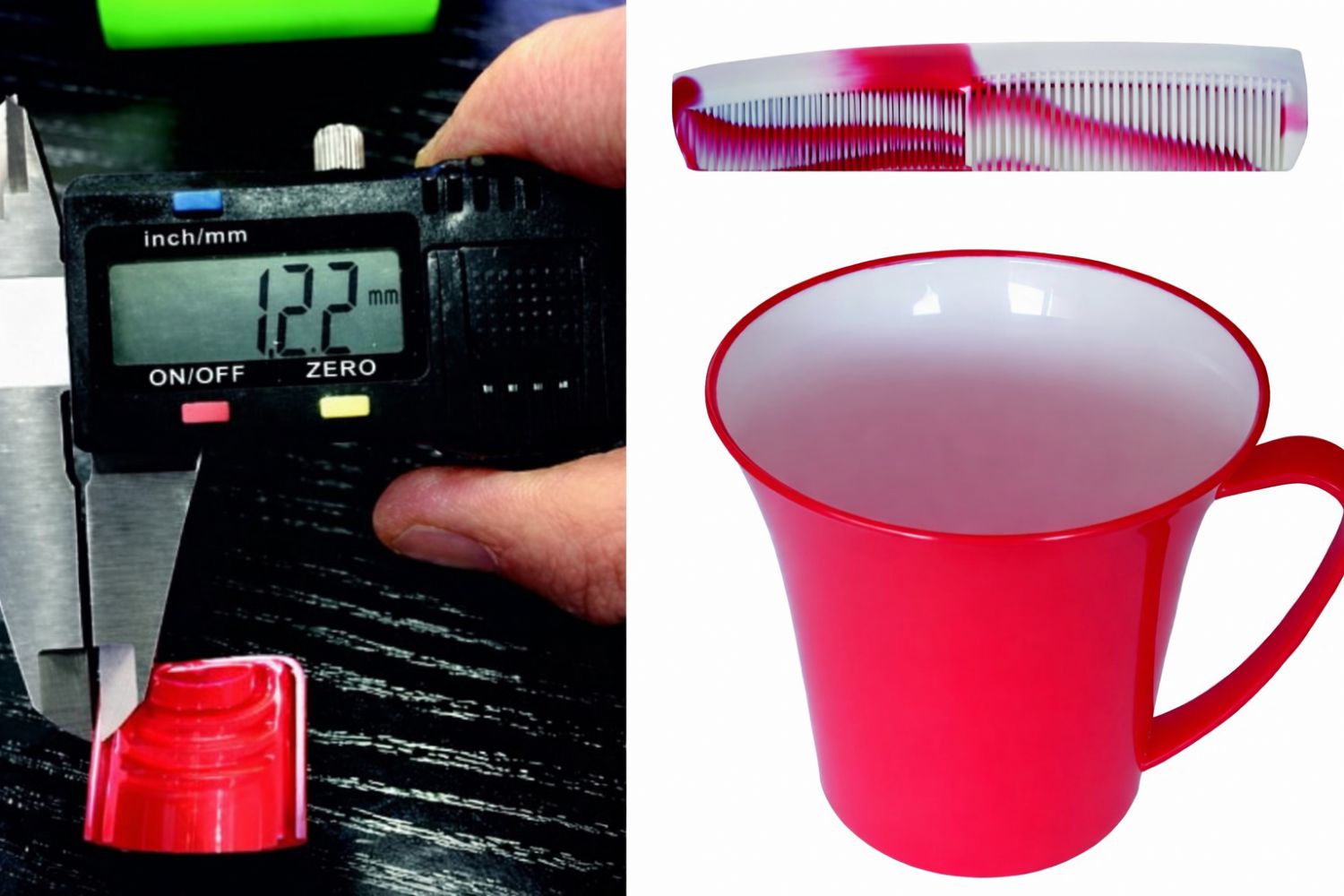
flip-top caps and packaging components
cosmetics and personal care products
medical plastic parts
electrical and electronic components
automotive interior trim parts
technical engineering plastic components
It has become a standard solution especially for products requiring aesthetic surfaces and cost optimization.
Key Advantages of CO-Injection Technology
multi-material production in a single cycle
up to 65% recycled material utilization
lower raw material costs
improved product strength and performance
combined aesthetic and functional design
higher production efficiency
multi-material design flexibility
energy-efficient and sustainable manufacturing
Strategic Value in Industrial Production
CO-Injection is not just a manufacturing method; it is an advanced production strategy that optimizes cost, performance and sustainability simultaneously.
With this technology, manufacturers achieve:
lower production costs
higher product performance
reduced raw material consumption
faster production cycles
stronger competitive advantage
In modern plastics manufacturing, CO-Injection is positioned as a critical technology for high-volume production, sustainability and product innovation.