Innovative processing solutions for sustainable plastics while providing energy and process efficiencies.
With the increasing concern of plastics pollution in the environment and tightened government regulation on single-use plastic items, biodegradable plastics have seen dramatic growth. This includes both PLA and PHA plastics.
Biodegradable plastics such as PLA or PHA are shear sensitive by nature and subject to hydrolysis like polyester. The efficient shear processing technology and low processing temperature provided by the Farrel Continuous Mixer greatly maintains polymer integrity, such as molecular weight. This is relevant for both PLA processing and PHA processing.
Material characteristics and challenges
Biodegradable plastics can be degraded into CO2, water and biomass by microbes under different conditions. Biodegradable plastics are often produced from renewable biomass such as vegetable fats and oils, cornstarch and straw, although some biodegradables are made from petroleum.
Polylactic acid (PLA) is typically derived from fermented plant starch such as corn, cassava, sugarcane or sugar beet pulp. In 2010, PLA had the highest consumption volume of any biodegradable plastic in the world - positioning PLA compounding as an important process.
Polyhydroxyalkanoates (PHA) are polyesters produced in nature by numerous microorganisms, including through the bacterial fermentation of sugar or lipids. PHA compounding offers many benefits and these plastics are biodegradable. They can be either thermoplastic or elastomeric, with melting points ranging from 40 to 180 °C.
Polybutylene succinate (PBS) is a thermoplastics polymer resin in the polyester family derived from petroleum. PBS is a biodegradable aliphatic polyester with properties that are comparable to polypropylene (PP).
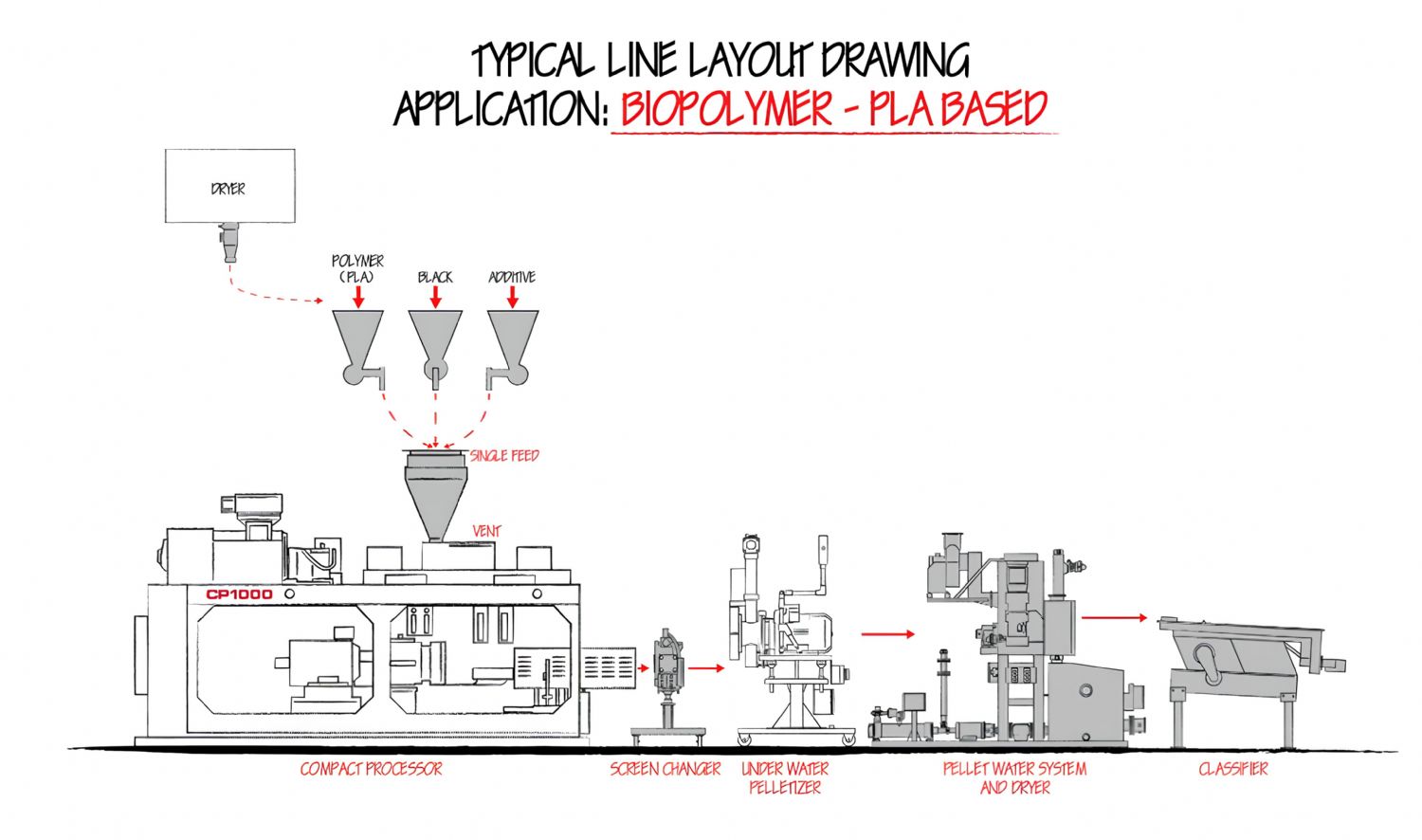
Farrel Continuous Mixers are designed to address the many challenges of biodegradable plastics processing, such as PLA processing or PHA processing, including:
A single-entry feed port reduces contamination potential
The 6 L/D rotors allow for cost savings due to short residence time and lower specific energy input (SEI) imparted into the materials
Ideal processing temperature control is achieved by the efficient shear levels imparted by the unique rotor geometry as well as other process parameters, including adjustable dams and orifice position
The adiabatic nature of the mixing process does not introduce any additional energy into the polymer
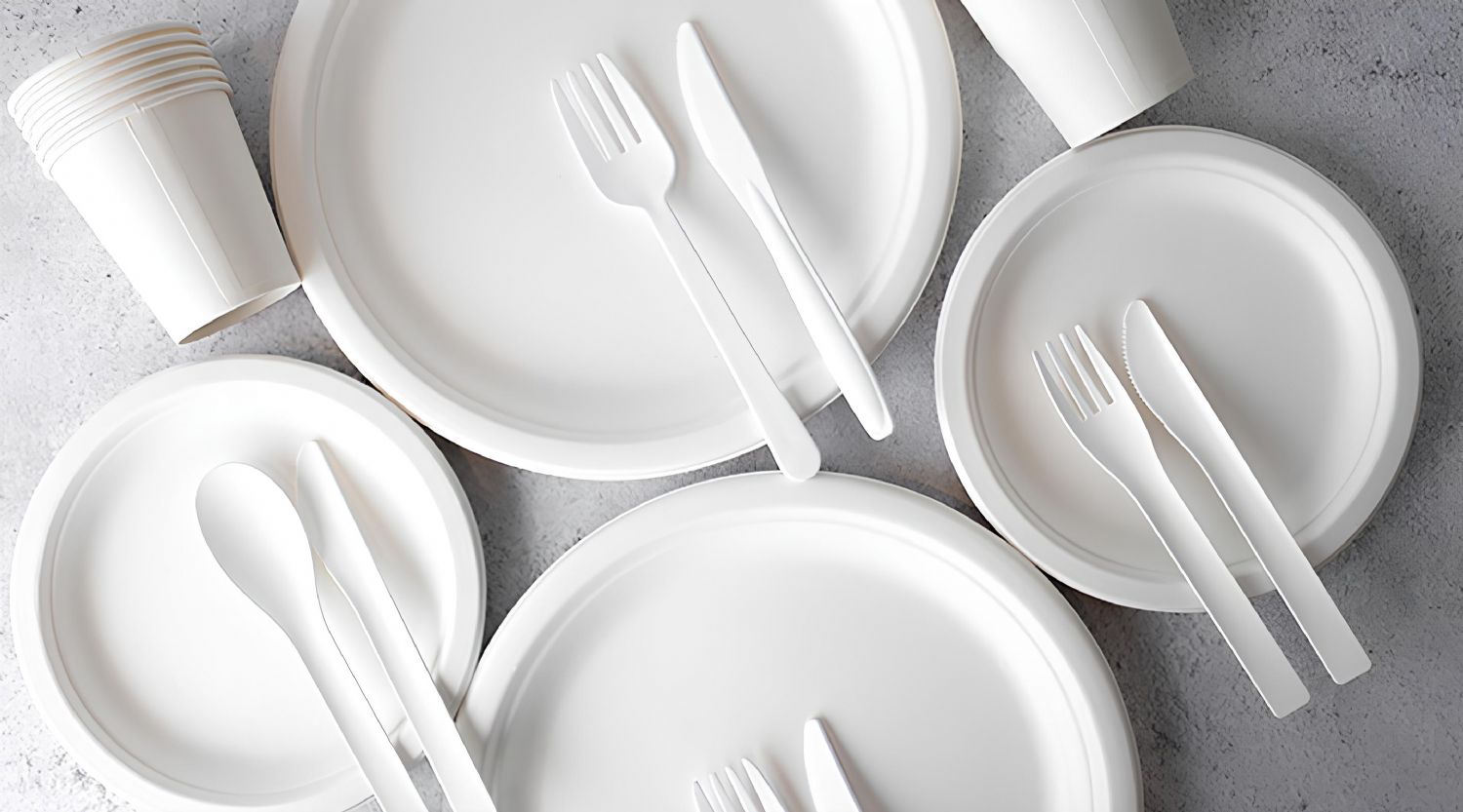
Using biodegradable plastics for a variety of products
Common applications for biodegradable plastics include:
3D printing filaments
Food packaging
Teabags
Knives and forks
Food trays